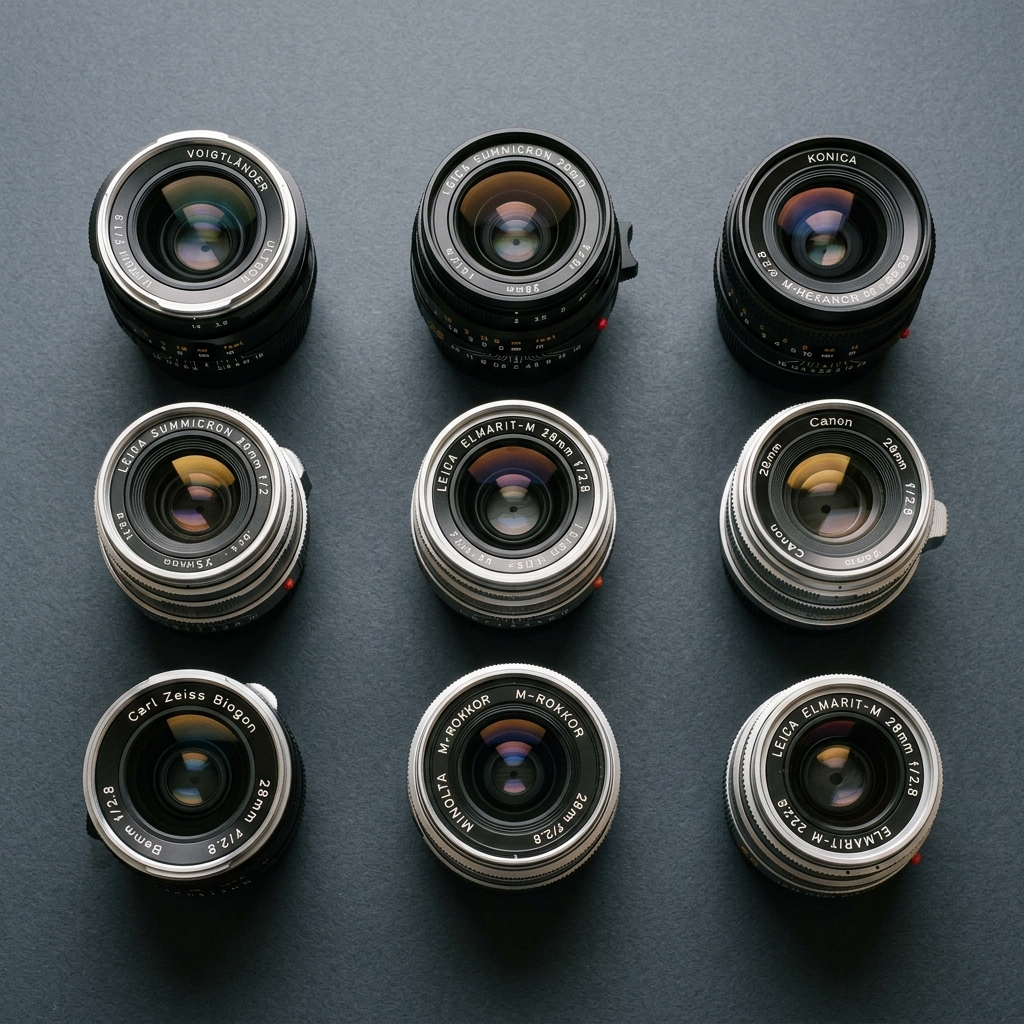
28mm occupies a curious spot among focal lengths on the M-mount rangefinder. With a full-frame diagonal angle of view of about 75°, it's a "one step wider standard" — neither as natural as 35mm nor as exaggerated as 24mm. It was a classic tool of photojournalism, documentary, and street work — so much so that Leica alone has made well over ten 28mm lenses for the M and screw mounts — and thanks to that, Germany, Japan, Russia, and China each shaped their own 28mm to their own philosophy. This post gathers twelve 28mm lenses from those five countries in one place, with real photos, specs, and market prices.

Why 28mm BASICS
The starting point of wide-angle is usually pegged at 28mm. Go below 24mm and linear distortion and perspective exaggeration become pronounced, giving that obvious "wide-angle look" — but 28mm widens the frame by a hand's span while keeping distortion nearly nonexistent, making it versatile across street photography, interiors, and landscapes. On a rangefinder, most 28mm lenses bring up the 28/90 frame lines, and their charm lies in a tactile, compact barrel and deep depth of field (an advantage for snap shooting). Even at the same 28mm, the aperture, size, and character of the rendering differ completely by country and maker — and that's the fun of this focal length.
Germany ① Leica — the benchmark of 28mm GERMANY
With this single focal length alone, Leica has carried a lineage from the 1955 Summaron to the current Summilux. The Elmarit-M 28mm in particular has been redesigned through five generations, making it one of the most frequently re-drawn optical designs in Leica's history. The key is a four-tier lineup where speed (aperture), size, and price all climb steeply as you go up.

Summaron-M 28mm f/5.6 (Summaron)
A modern reissue of the original 1955 Summaron. About the size of two finger joints, it makes an M body almost like a compact camera. The f/5.6 maximum aperture is dim and there's corner light falloff (vignetting), but the central resolution and classic rendering are superb. In practice it leans toward the collectible and sentimental, and the price is a steep 3 million won-plus for a new one.

Elmarit-M 28mm f/2.8 ASPH
Leica's "everyday standard" 28mm. Small and light, it's widely praised as the best walk-around lens, with astigmatism and distortion well controlled. Compared with the f/2 Summicron it's a stop slower, but its clear advantage in bulk and weight is why many users say "I won't bother switching to the Summicron" — a sensible choice.

Summicron-M 28mm f/2 ASPH
Razor-sharp from center to corner with almost no distortion, it often earns the highest overall optical rating among Leica's 28mm lenses. There's slight vignetting wide open, but the rendering is otherwise hard to fault. It's bigger and heavier than the Elmarit, and several times the price. The 2023 new version refined the barrel and optics once more.

Summilux-M 28mm f/1.4 ASPH FLAGSHIP
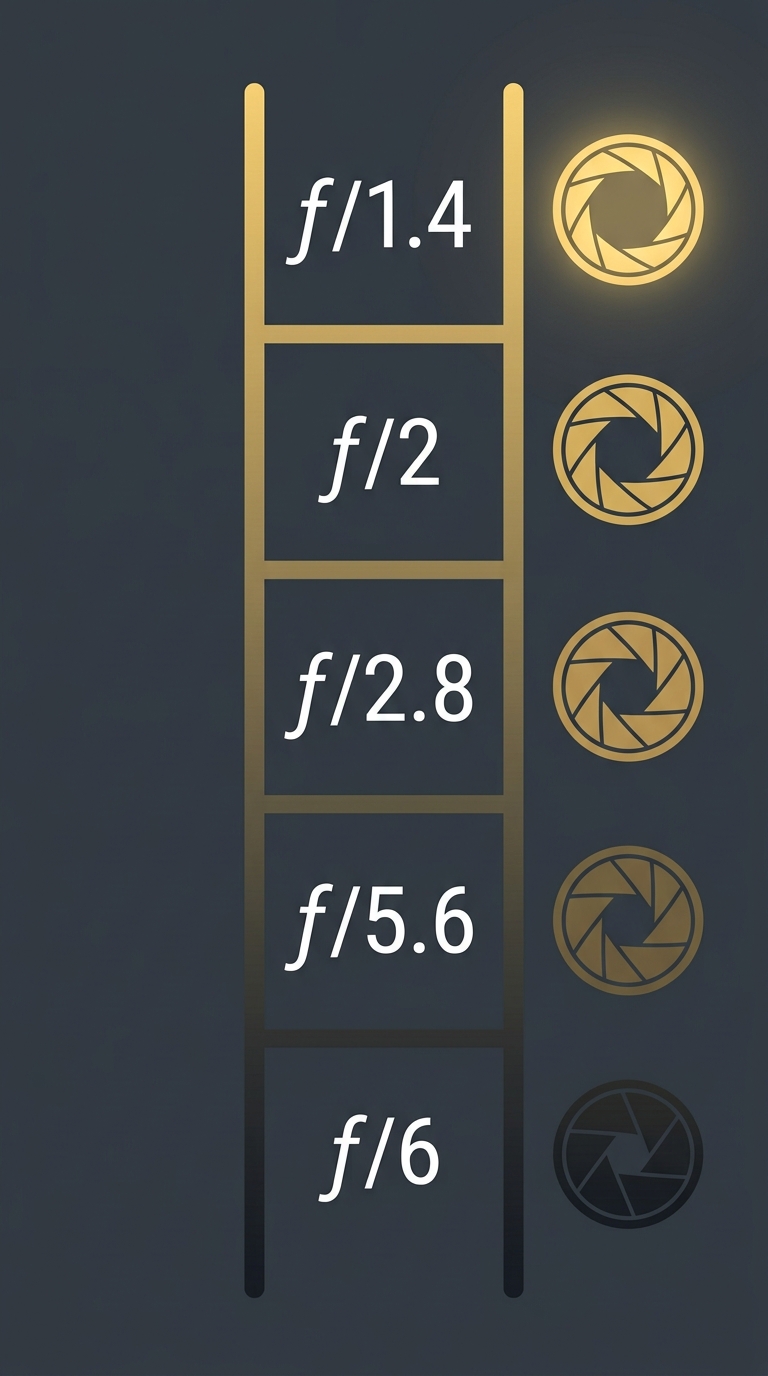
The fastest production 28mm in M-mount. With one aspherical element and a floating group, it suppresses aberrations even at close range, delivering shallow depth of field and night performance unusual for a 28mm. But at around 10 million won (about $7,495), it's a "lens for those who can have it." The common verdict: unless you truly need the speed, you don't really need it.
Germany ② Zeiss Biogon — designed in Germany, assembled in Japan GERMANY

Carl Zeiss Biogon T* 28mm f/2.8 ZM (Biogon)
The Zeiss ZM line is a collaboration in which Zeiss of Germany designs the optics and Cosina of Japan builds them. Thanks to the Biogon's signature symmetrical layout, distortion is extremely low, and it's beloved for crisp rendering comparable to the 50mm Planar. At 230g with a 46mm filter, portability is good too. It's so strong on resolution that some say "in the f/2.8–5.6 range it's sharper than the new Voigtländer Skopar." Just keep in mind that, owing to the symmetrical optical design, edge color shift can appear on digital bodies.
Japan — Voigtländer (Cosina) and Konica JAPAN
Japan's 28mm can be summed up as "value and refinement." The Voigtländer VM line made by Cosina gives plenty good results at a half to a third of Leica's price, while the discontinued Konica M-Hexanon is a cult classic of the used market.
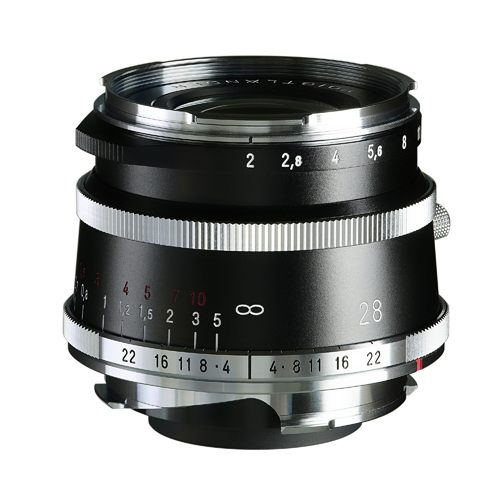
Voigtländer Ultron 28mm f/2 (Voigtländer Ultron)
A popular lens that offers the same f/2 as the Summicron at a far lower price. The early version was softer at the corners wide open than the Biogon and showed slight focus shift between f/2 and f/2.8, but the later v2 (new version) improved markedly — to the point that some users say "I sold my Summicron 28 and bought this." A practical pick with a good balance of speed, price, and size.
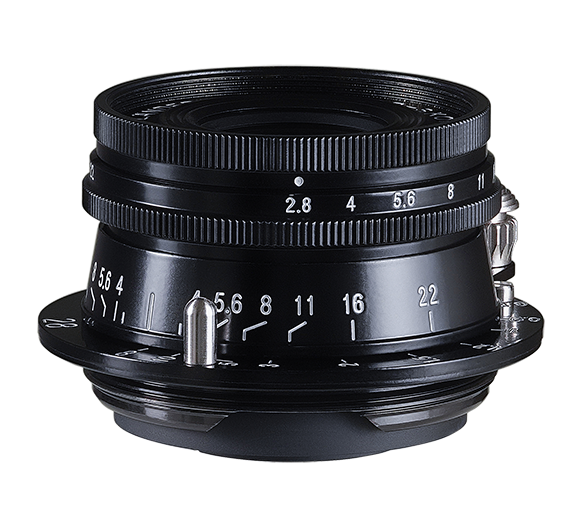
Voigtländer Color-Skopar 28mm f/2.8 (Color-Skopar)
The smallest model among Voigtländer's 28mm lenses. Two stops faster at f/2.8, yet its length is on a par with the TTArtisan 28mm f/5.6, so portability is outstanding and image quality easily outpaces Chinese lenses in that price bracket. If you're after a "small, good 28mm," it's the top candidate.

Konica M-Hexanon 28mm f/2.8 (Konica M-Hexanon) DISCONTINUED · CULT
A discontinued lens made for the Konica Hexar RF. Its 7-element, 8-group layout of high-refractive, low-dispersion glass delivers even rendering from center to corner, and the solid metal barrel and precise aperture clicks are part of its appeal. There are enthusiasts who say "I prefer this to the Voigtländer Ultron 28," making it a small, characterful alternative for rangefinder use.
Russia (former USSR) — Orion-15, the smallest wide-angle USSR
The Soviet Union didn't make many M39 (LTM) wide-angle lenses. That rare wide-angle is precisely the Orion-15 (Орион-15), an oddity that rendered the 28mm — once the preserve of premier camera makers — in a palm-sized form.

Orion-15 28mm f/6 (Orion-15)
A wide-angle based on the Zeiss Topogon design, made in small numbers in the 1960s at KMZ (Krasnogorsk) and later ZOMZ (Zagorsk). The f/6 maximum aperture is very dim and the aperture ring sits inside the barrel, making operation fiddly, but it's coated, so the rendering is surprisingly crisp with good contrast. Along with the verdict that it's "the sharpest of the Soviet lenses," it carries the running joke that it "feels like getting a lens that wished it were the Leica Summaron 28mm f/5.6, at one-tenth the price."
Note: although it's LTM, some examples don't seat all the way into an LTM body, and with an LTM→M adapter it works well on M bodies, including rangefinder coupling. There are serviced listings sold with a 6-bit coded 28/90 adapter. Condition varies widely, so stick to verified listings.
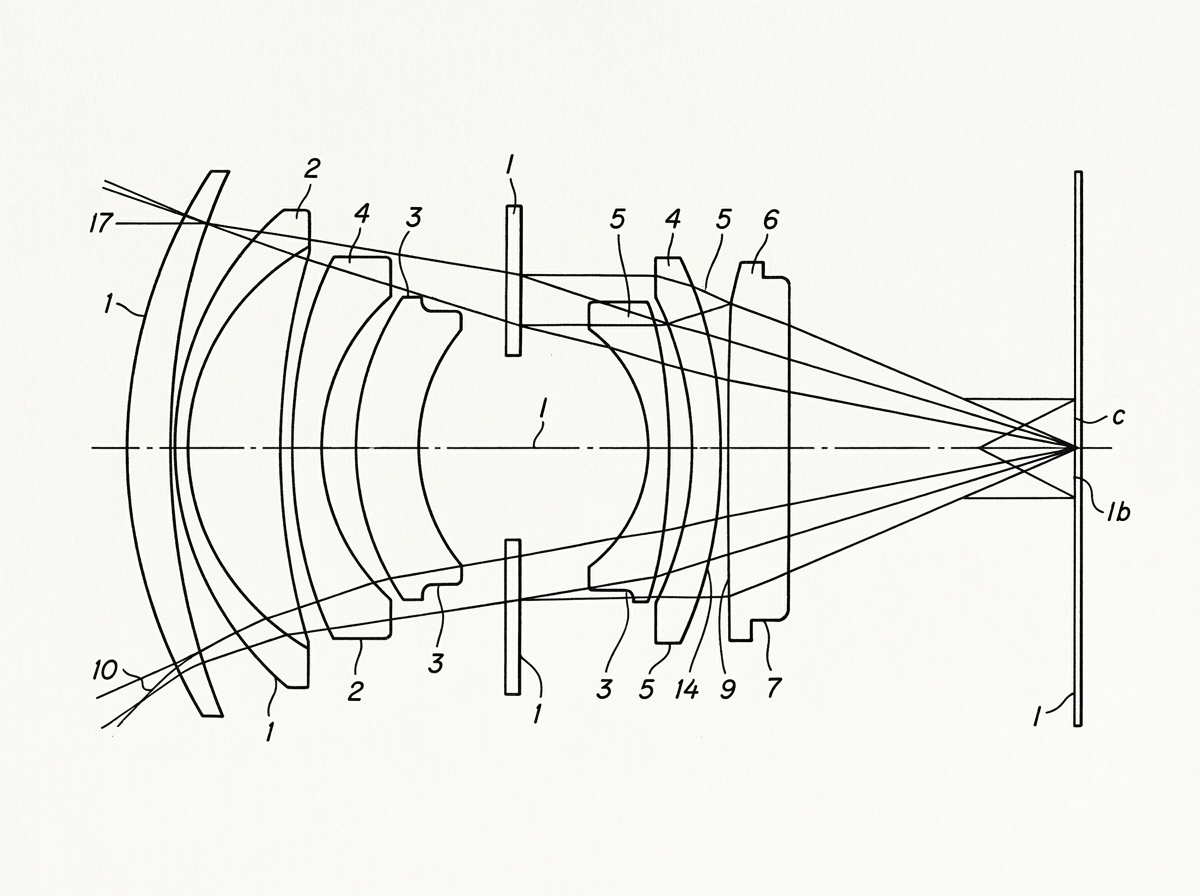
China — 7Artisans and TTArtisan, the value lenses that changed the game CHINA
What has shaken up the 28mm landscape most recently is Chinese lenses. By putting out "perfectly usable" 28mm lenses at a tenth of the price of genuine Leica, they opened new options for beginners and film users. Their characters are polar opposites — the bright, big 7Artisans 28/1.4 coexists with the small, cute f/5.6 reissue type.

7Artisans 28mm f/1.4 (FE+)
A large-aperture wide-angle that delivers the same f/1.4 as the Leica Summilux 28 for around 500,000 won. At about 488g and 70mm long, it's somewhat front-heavy on an M body, and it's soft wide open before sharpening up from f/2.8. In other words, it's for atmosphere and depth-of-field rendering rather than "pin-sharp." An FE+ version that corrects filter-stack issues when adapting to mirrorless is available, and it's said to perform best on Leica bodies.

TTArtisan 28mm f/5.6 BEST VALUE
The exterior closely mimics the Leica Summaron 28mm f/5.6, but the optics (a new 4-element, 7-group design) are a completely separate lens. At around 450,000 won, its build quality is best-in-class, and the whole frame is crisp at f/5.6–f/8 (it softens slightly from f/11 due to diffraction). It's widely recommended as "a walk-around lens that lets you enjoy the Summaron at one-tenth the price."

7Artisans 28mm f/5.6
Lighter than the TTArtisan (around 130g) and using an 8-blade circular aperture, though it's a touch longer. Many comparisons place the TTArtisan a notch ahead in uniformity across the frame wide open at f/5.6. Both are excellent value, so the choice comes down to taste between the smaller one (TT) and the lighter one (7A).
28mm by country, at a glance
| Lens | Country | Max aperture | Weight (approx.) | Character in one line | Rough price |
|---|---|---|---|---|---|
| Summilux-M 28/1.4 | Germany | f/1.4 | 440g | the brightest flagship | about 10M won |
| Summicron-M 28/2 | Germany | f/2 | ~240g | strongest edge-to-edge sharpness | used ~4M won |
| Elmarit-M 28/2.8 | Germany | f/2.8 | ~180g | small, light everyday standard | used ~2M won |
| Summaron-M 28/5.6 | Germany | f/5.6 | ~100g | ultra-compact reissue · sentimental | new ~3M won |
| Zeiss Biogon 28/2.8 ZM | German design / Japan | f/2.8 | 230g | symmetrical, crisp rendering | about 1M won |
| Voigtländer Ultron 28/2 | Japan | f/2 | 244g | f/2 value | about 0.8–1M won |
| Color-Skopar 28/2.8 | Japan | f/2.8 | ~150g | smallest VM 28 | about 0.6–0.7M won |
| Konica M-Hexanon 28/2.8 | Japan | f/2.8 | 222g | discontinued cult classic | used 0.6–0.9M won |
| Orion-15 28/6 | Former USSR | f/6 | ~70g | tiny, surprisingly sharp | used 0.15–0.25M won |
| 7Artisans 28/1.4 | China | f/1.4 | 488g | bright, hefty, characterful | about 0.5–0.6M won |
| TTArtisan 28/5.6 | China | f/5.6 | 151g | Summaron-reissue value | about 0.45–0.5M won |
| 7Artisans 28/5.6 | China | f/5.6 | ~130g | lightest f/5.6 | about 0.4M won |
Prices are rough won-converted figures and vary greatly with exchange rates and the state of the used market. Weights are approximate, since they differ by mount and version. Make purchase and investment decisions by checking the latest listing prices yourself.
So, which one to choose
- If you're getting your first 28mm · Zeiss Biogon 28/2.8 ZM or Voigtländer Color-Skopar 28/2.8. The best balance of image quality, size, and price.
- If you need speed · with enough budget, the Summicron 28/2; sensibly, the Voigtländer Ultron 28/2 (new version). If you're a characterful type who enjoys atmosphere and depth, the 7Artisans 28/1.4.
- As small as possible · for an ultra-compact walk-around/travel lens, the TTArtisan 28/5.6 (value) or the Leica Summaron (sentiment). The lighter option is the 7Artisans 28/5.6.
- Collecting · character · the discontinued cult is the Konica M-Hexanon 28/2.8; for an oddity, the Soviet Orion-15. For peak rendering and speed, the Summilux 28/1.4.
· Apotelyt — Leica M 28mm options (Leica 28mm lineage and angle of view)
· LensRentals — Summicron-M / Summilux-M 28mm ASPH, Zeiss ZM 28 specifications
· phillipreeve.net — TTArtisan / 7Artisans 28mm, Voigtländer Ultron · Color-Skopar 28 reviews
· 35mmc · PopPhoto — TTArtisan 28mm f/5.6 (Summaron reissue) optics and build
· cameradecision · RangefinderForum — Biogon 28 ZM vs Ultron 28 comparison
· Beers & Cameras · Medium — Konica M-Hexanon 28 vs 7Artisans 28/1.4
· Kamerastore · SovietCameraStore · Skyllaney — Orion-15 28/6 (Topogon design, LTM)
· Product images: Leica Store Miami (four Leica lenses), Kamerastore (Zeiss Biogon, Konica Hexanon), Voigtländer/Cosina (Ultron, Color-Skopar), SovietCameraStore (Orion-15), 7Artisans · TTArtisan/Pergear (three Chinese lenses), Wikimedia Commons (Leica M at top). The diagrams (optical cross-section, country positioning map, aperture ladder) are original to this post.

댓글 0
첫 댓글을 남겨보세요.