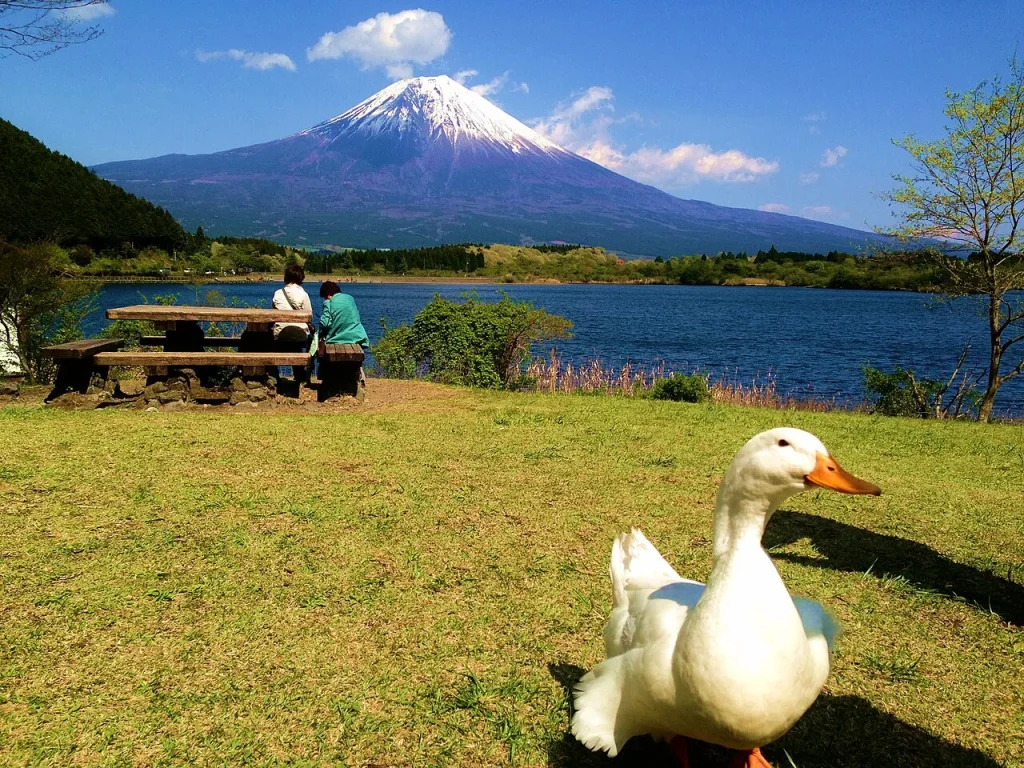
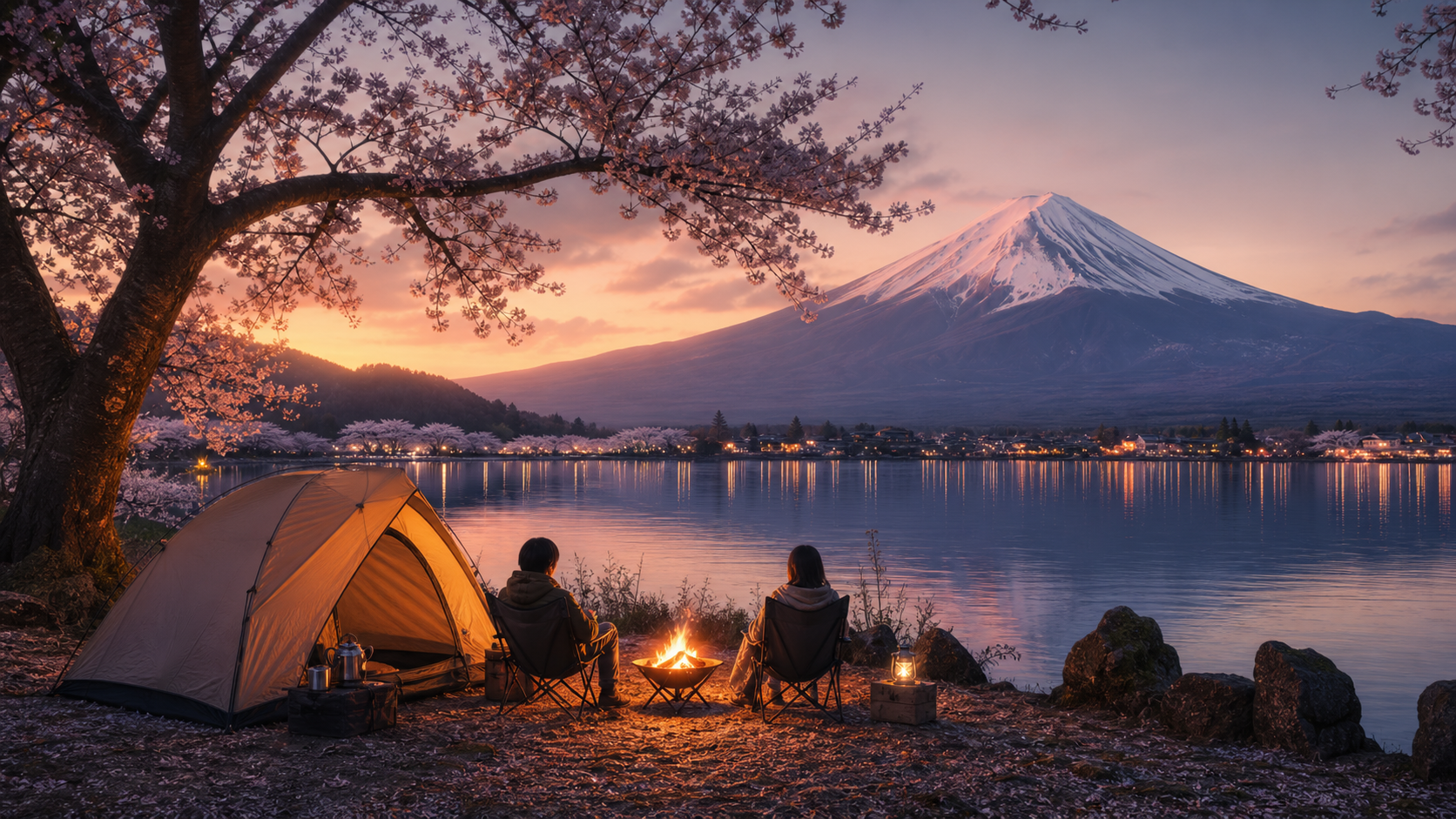
A place where Mt. Fuji is mirrored in a lake and cherry blossoms bloom along the water's edge. Lake Tanuki (Tanukiko) Campground is a spring camping spot that stays in your memory for a long time. This article is based on a real 1-night, 2-day route — from arriving in Shizuoka to grocery shopping, a local outdoor shop, choosing a campsite, a fire-pit dinner, and breaking camp the next day. That said, as of June 2026 the official guidance states that the Lake Tanuki tent sites are fully reservation-based, and auto-camping or car-camping within the sites is prohibited. So in this article we set the flow straight, guiding you toward camping where you drive in by rental car, park, and then pitch your tent.
Trip Overview at a Glance
- Destination
- Near Mt. Fuji, Shizuoka Prefecture, Japan · Lake Tanuki (Tanukiko) Campground
- Best Season
- Late March to early April when the cherry blossoms bloom; weather and bloom timing vary year to year
- Itinerary
- 1-night, 2-day tent camping
- Actual Route
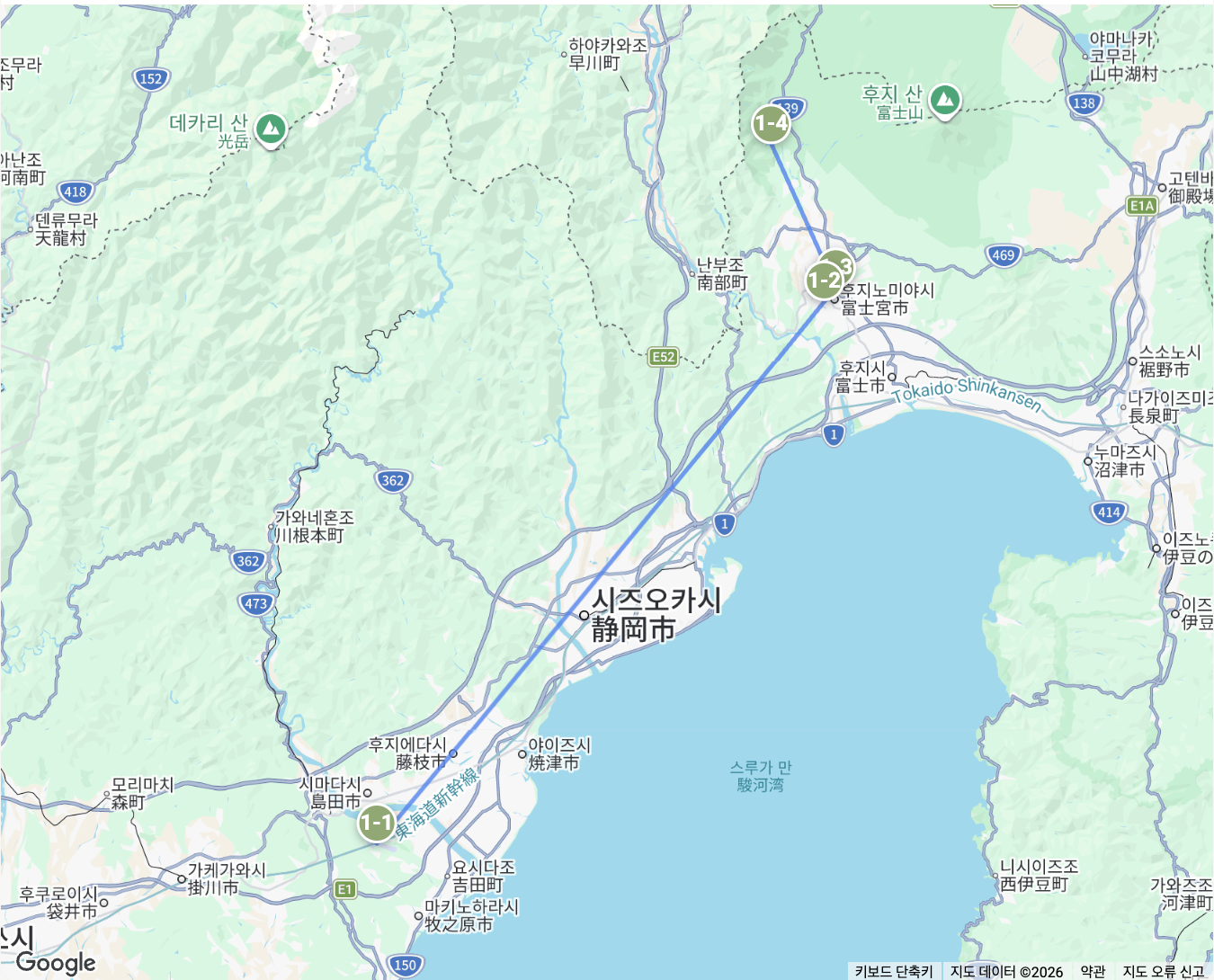
- Shizuoka Airport → grocery shopping at AEON Mall Fujinomiya → SWEN Fujinomiya store → Lake Tanuki Campground
- Key Appeal
- Head-on view of Mt. Fuji · lake reflection · cherry blossoms · a quiet fire-pit evening
#MtFuji#CherryBlossomCamping#LakeTanuki#JapanCamping#CampingForTwo

What to Check Before You Set Off
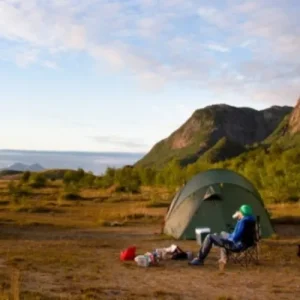
Lake Tanuki is "a campground that's easy to reach by car," but it would be a mistake to think of it as an auto-camping site where you park your car right next to your tent. It's safer to plan around a flow where you drive in by rental car from the airport or station, park, then carry your gear over and pitch your tent.
Tent sites are fully reservation-based, and online booking is the standard. There is no tent rental, and the campground's official guidance lists auto-camping/car-camping, campfires, open flames, drones, generators, and brought-in boats/SUPs as prohibited items. Check-in/check-out times and fees can vary by season, so be sure to double-check the official page before booking.
- Reservations — During cherry blossom season, competition for spots is fierce, so once your dates are set, first check whether a reservation is even available.
- Gear — Prepare your sleeping items such as tents, sleeping bags, and mats yourself, and cut down on food and consumables by sourcing them locally.
- Using Fire — Even if you use a fire pit, avoid open flames, and follow the campground rules and the proper way to dispose of ashes.
Day 1 — From Arrival to a Fire-Pit Dinner
- 08:00Arrival in Japan, BreakfastShizuoka Airport
For camping, how you pace your energy on the first day matters. Finish the rental car paperwork at the airport and start your day with a breakfast that has the feel of a Japanese home-cooked meal — the grocery shopping and travel afterward will go much more smoothly.
- 10:00Grocery Shopping at AEON MallAEON Mall Fujinomiya
This is a great stretch for handling everything in one go — beef, bento, tonkatsu, corn soup, potatoes, eggs, beer, drip coffee, even ice. There's also a MUJI, so it's fun to browse for tableware or small items.
Tip · Popular items like beef leave you with fewer choices if you arrive late. Deciding your shopping order before heading into the campground can save you time. - 11:30Stopping by a Local Outdoor ShopSWEN Fujinomiya store
This is a good stop to restock consumables like isobutane canisters or pick up local camping items. Rather than bringing everything from home, handling bulky items or things you can easily buy locally on this leg lightens your load.
Review · Buying consumables locally was convenient. That said, store stock isn't always the same, so it's more reassuring to pack the gear you absolutely need in advance from home. - 13:00Arriving at the Campground & Setting UpLake Tanuki Campground
After checking in at the management office, you choose a spot to pitch your tent. During cherry blossom season, you need to consider the direction of Mt. Fuji, the wind, the distance to the restrooms and cooking building, and your movement at night all together. A spot with a good view of the lake and Mt. Fuji is appealing, but if you overlook the ground's slope and the wind, your sleeping area can become uncomfortable.
Choosing a Spot · A "flat spot that's safe to move around at night" ultimately gave more satisfaction than a "spot with a great view." If you're camping for two, you'll be able to carry gear over in multiple trips, so consider the distance from the parking lot as well. - 18:30Fire-Pit Dinner
Grilling the meat you bought at the mall and pairing it with a warm broth or corn soup melts away the day's fatigue. The time spent gazing at the firelight against the backdrop of Mt. Fuji was the highlight of this trip. However, open flames and campfires are officially prohibited, so you must follow the rules on how to use the fire pit and how to extinguish and clean up.
Review · Keep the grocery shopping simple, keep dinner warm. At Lake Tanuki, a meal where you take a long look at the scenery stayed in my memory more than elaborate cooking.
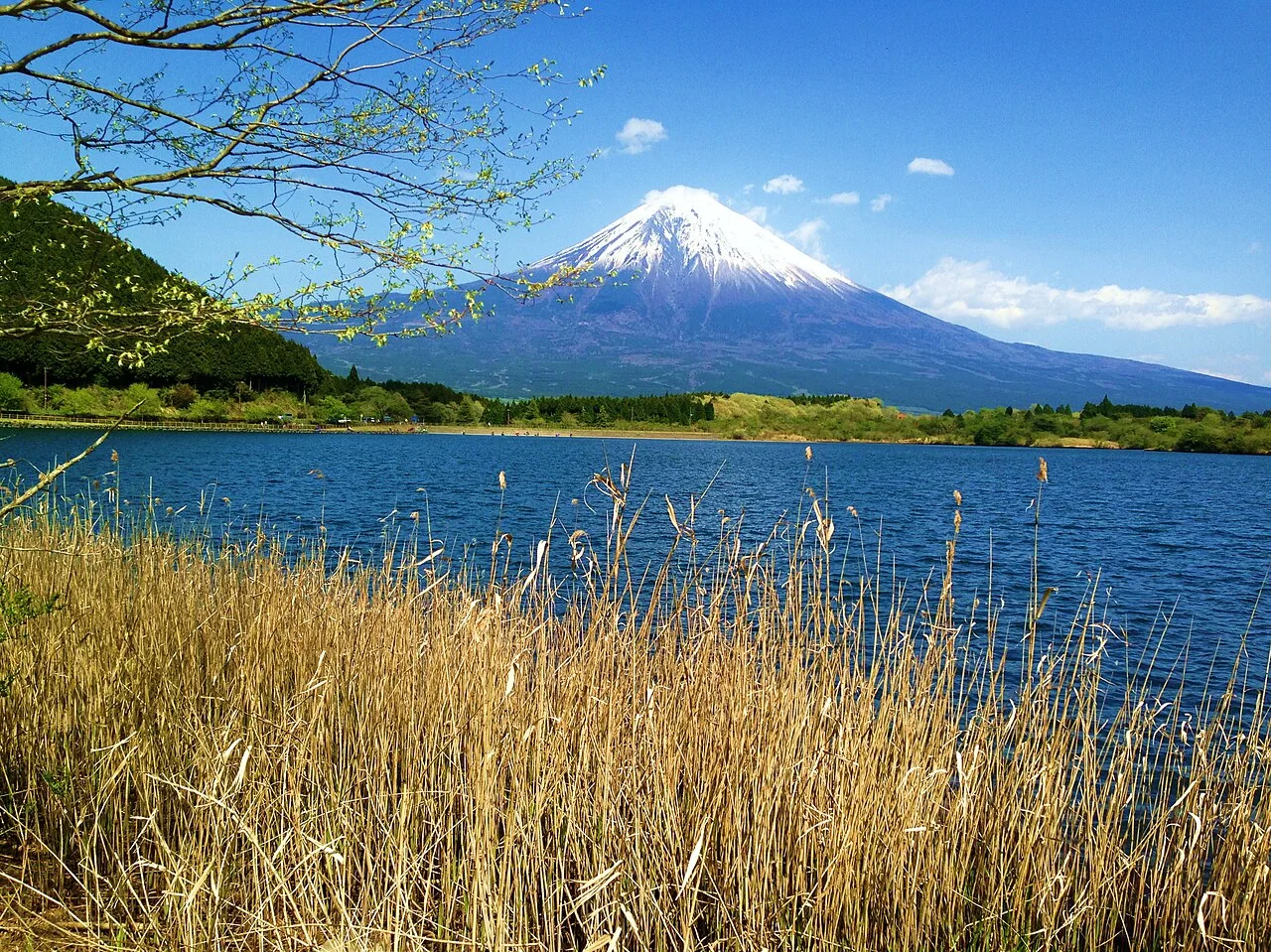
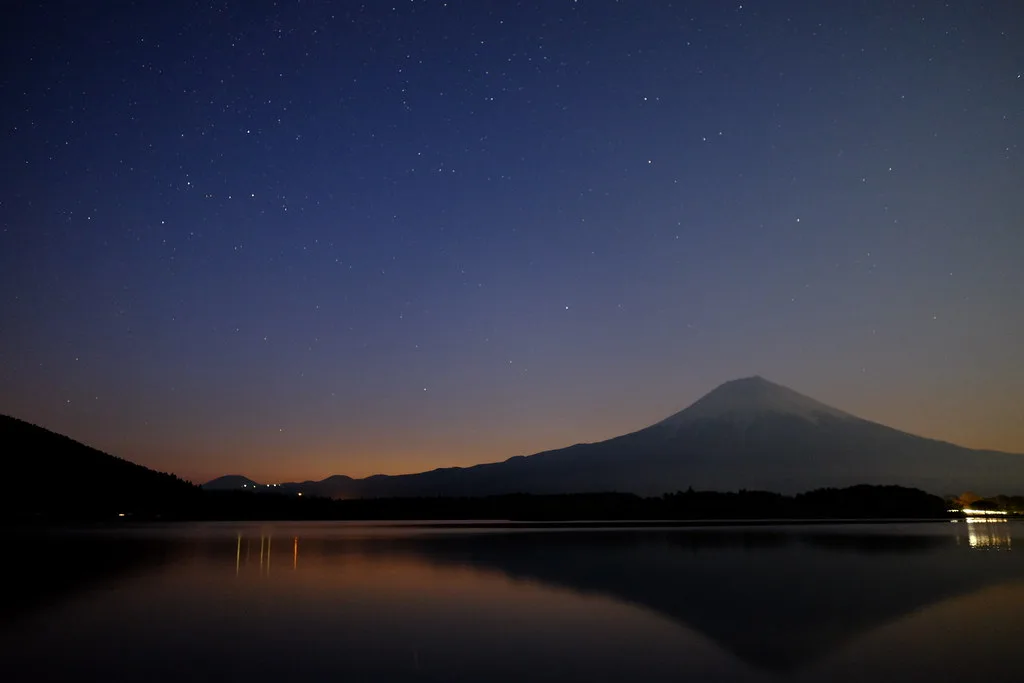
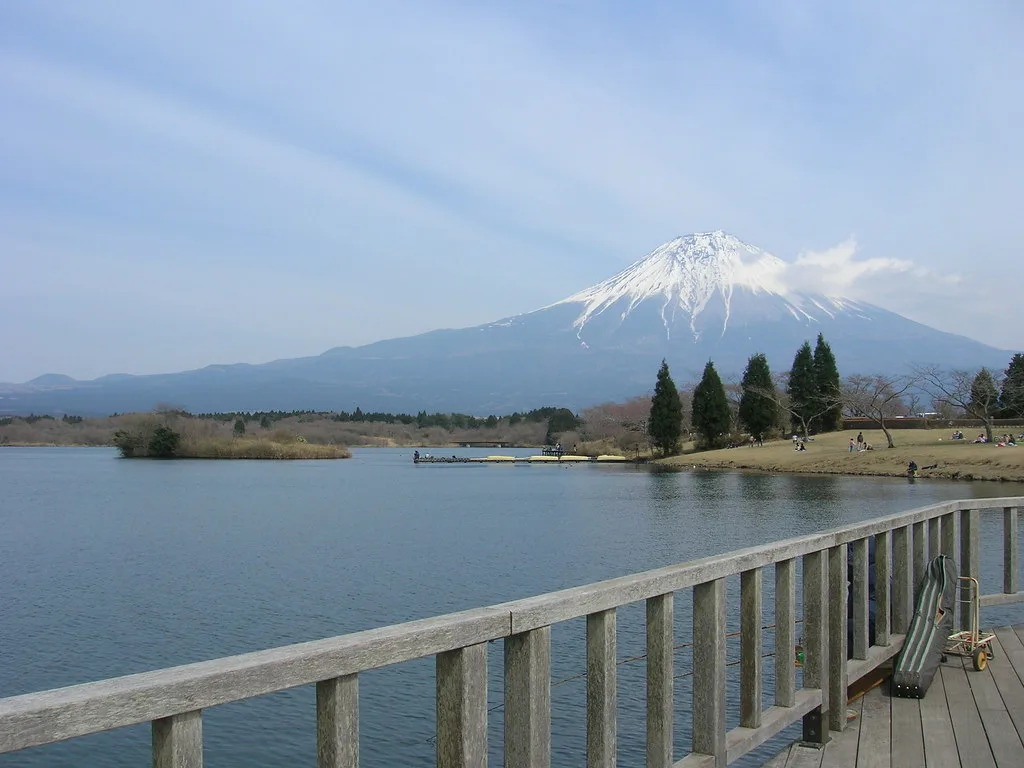
Lake Tanuki in April, the Real Scenery
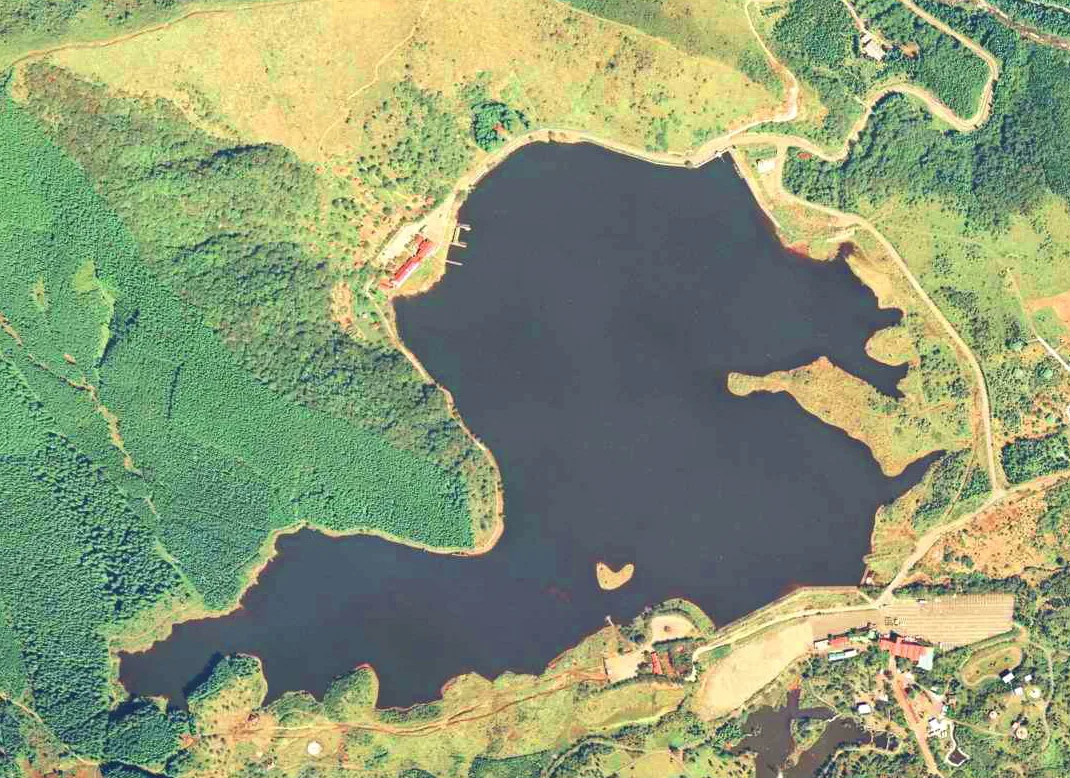
Lake Tanuki in April, when the cherry blossoms bloom, takes on a completely different face depending on the weather. On clear days, Mt. Fuji's reflection is crisp, and at night the area around the lake is quiet, making it great for stargazing. The photos below are freely usable (CC) images actually taken on-site in April.
Day 2 — An Unhurried Departure
- 07:30Taking in the Morning SceneryA walk by the lake
Morning at Lake Tanuki is the quietest time inside the campground. Walking along the water's edge, drying out the area around your tent, and tidying up slowly makes the day feel less hectic.
- 10:00Breaking Camp & Cleaning UpLake Tanuki Campground
Pack up your tent and gear, and separate the trash, ashes, and food. The area near Mt. Fuji tends to have fast-changing weather, so if rain is forecast, it's better to dry your gear from the morning and fold it up early.
Lesson Learned · It was easier to move based on "before it rains" rather than "right before check-out." Carrying a wet tent makes the rest of your plans feel heavier.
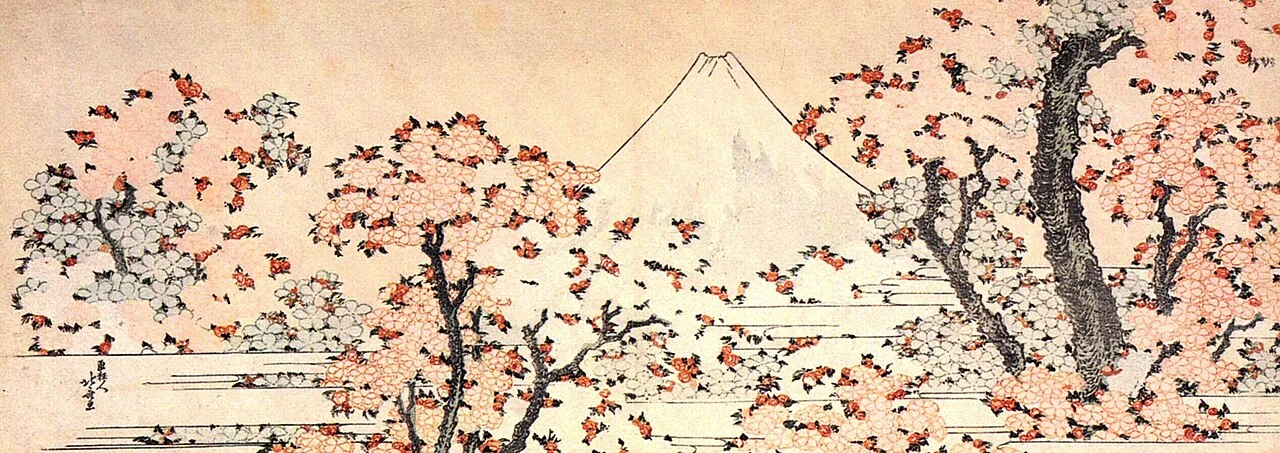
Want to See This Travel Plan As-Is?
You can open a detailed travel itinerary containing the actual schedule, places, and map coordinates. Refer to the day-by-day route and notes and copy it to fit your own schedule to cut down on prep time.
Must-Packs for Campers of Two
The packing principle for camping at Lake Tanuki is simple. Be solid on your sleeping gear; keep consumables and food light by buying locally. Check items that are hard to replace — like tents, sleeping bags, and mats — in advance, and handle things you can buy locally — like isobutane canisters, food, and ice — along your route to lighten your load.
- Tent · Sleeping — a 2–3 person tent, 2 sleeping bags, 2 mats, hand warmers for the early-morning chill
- Cooking · Fire Pit — a burner, cookset, 2 sets of utensils/tableware, gloves, tongs, and, if using a fire pit, a regulation-compliant base and extinguishing prep
- Warmth · Electronics — a padded jacket, beanie, gloves, 2 headlamps, 2 power banks, a Japan Type-A adapter
- Local Grocery Shopping — beef, bento, broths, beer, ice, water, coffee
- Documents · Essentials — passport, reservation confirmation, Japanese yen in cash, international driving permit, rain gear
Easy-to-Make Mistakes
The more scenic the campground, the more a small inconvenience feels big when your prep is sloppy. During cherry blossom season especially, reservations, your spot, the weather, and the timing of breaking camp determine how satisfying the trip is.
- Don't mistake it for an auto-camping site — driving in is possible, but car-camping/auto-camping within the sites is officially prohibited.
- Curb the urge to grab the prime spot — don't look only at the Mt. Fuji view; consider the ground slope, the wind, the distance to the restroom, and your movement at night together.
- Check the weather — around mountains and lakes, the temperature and wind change quickly. If rain is forecast, prepare to break camp earlier.
- Reduce noise and light — at night, even small sounds carry far. Lowering your lantern brightness and the volume of your conversation makes things easier for everyone.
- Check the prohibited items — before your visit, re-check the official guidance on drones, generators, open flames, brought-in boats/SUPs, and the like.
Two-Person Packing List + Precautions, Organized on One Page
We organized the gear a camper-of-two actually needs to pack — tent, cooking, warmth, documents, and more — by category, and bundled the pre-departure check precautions and safety rules into one checklist.
Wrapping Up
The appeal of Lake Tanuki is a little more delicate than the single sentence "a campground where you can see Mt. Fuji." It's truly good only when the cherry blossoms, the lake reflection, the morning air, and the evening firelight all overlap. In return, that's exactly why reservations and rules, the weather, and breaking-camp prep matter so much. Keep your rental car route relaxed, your grocery shopping simple, and your sleeping gear solid. Just keeping these three things makes your first Mt. Fuji cherry blossom camping trip far more comfortable.
Official Information Referenced
- Lake Tanuki Campground Official Website — check cherry blossoms, campground overview, and prohibited items
- Lake Tanuki Campground Tent Site Guide — check the full reservation system, check-in/check-out, fees, facilities, and prohibited items
- Lake Tanuki Campground Access Guide — check car, public transit, and rental car access information
※ The photos used in this article are freely licensed images (CC BY 2.0 / CC BY-SA 2.0 / CC BY-SA 3.0 / Public domain) from Wikimedia Commons and Flickr, and the shooting date, source, author, and license of each photo are noted in the captions. Operating information is as confirmed on June 16, 2026; before visiting, please re-check the latest guidance on the official page.
댓글 0
첫 댓글을 남겨보세요.