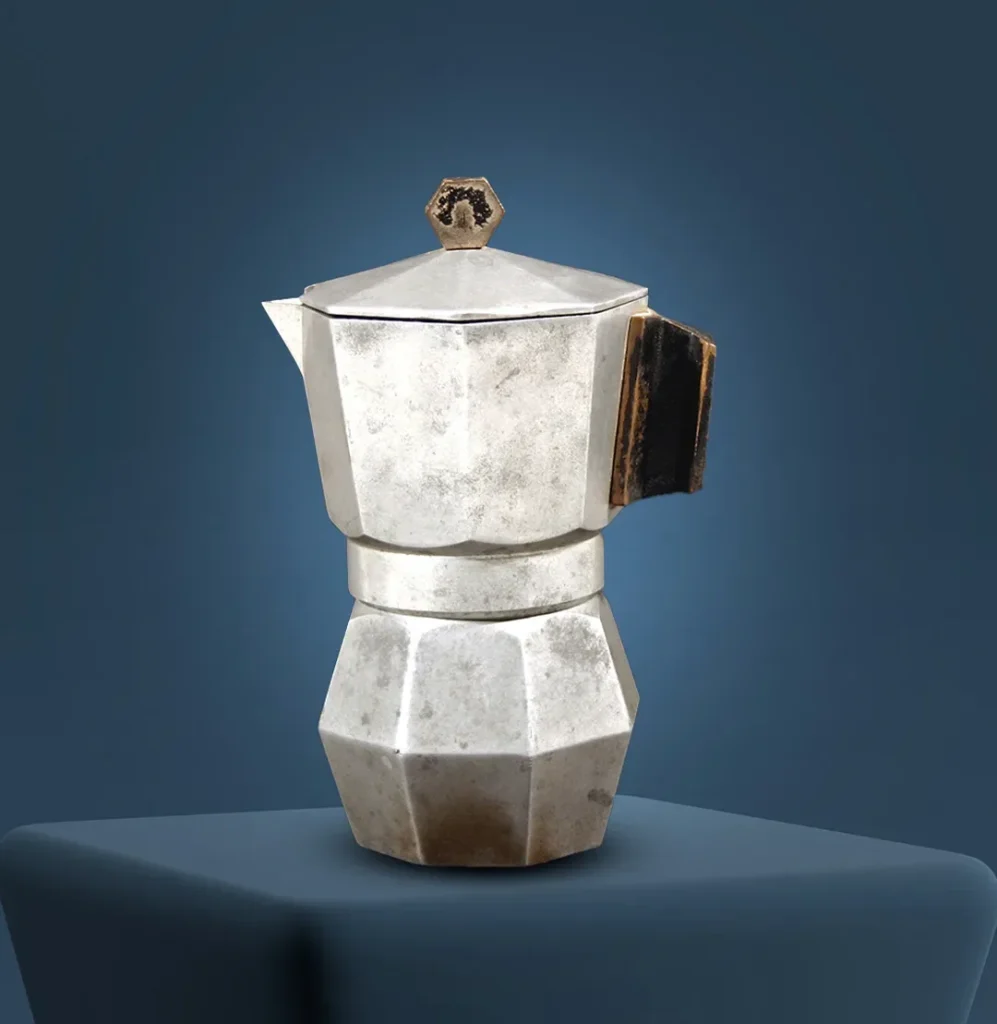
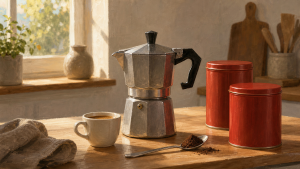
Every morning, on the stovetops of millions of Italian homes, a little eight-sided pot bubbles away and brews up coffee. The brand that has endured a century on this one moka pot is none other than Bialetti. We follow the story of how a simple tool made of aluminum became a design icon exhibited at MoMA and sold more than 300 million units.
It Began in a Single Aluminum Workshop
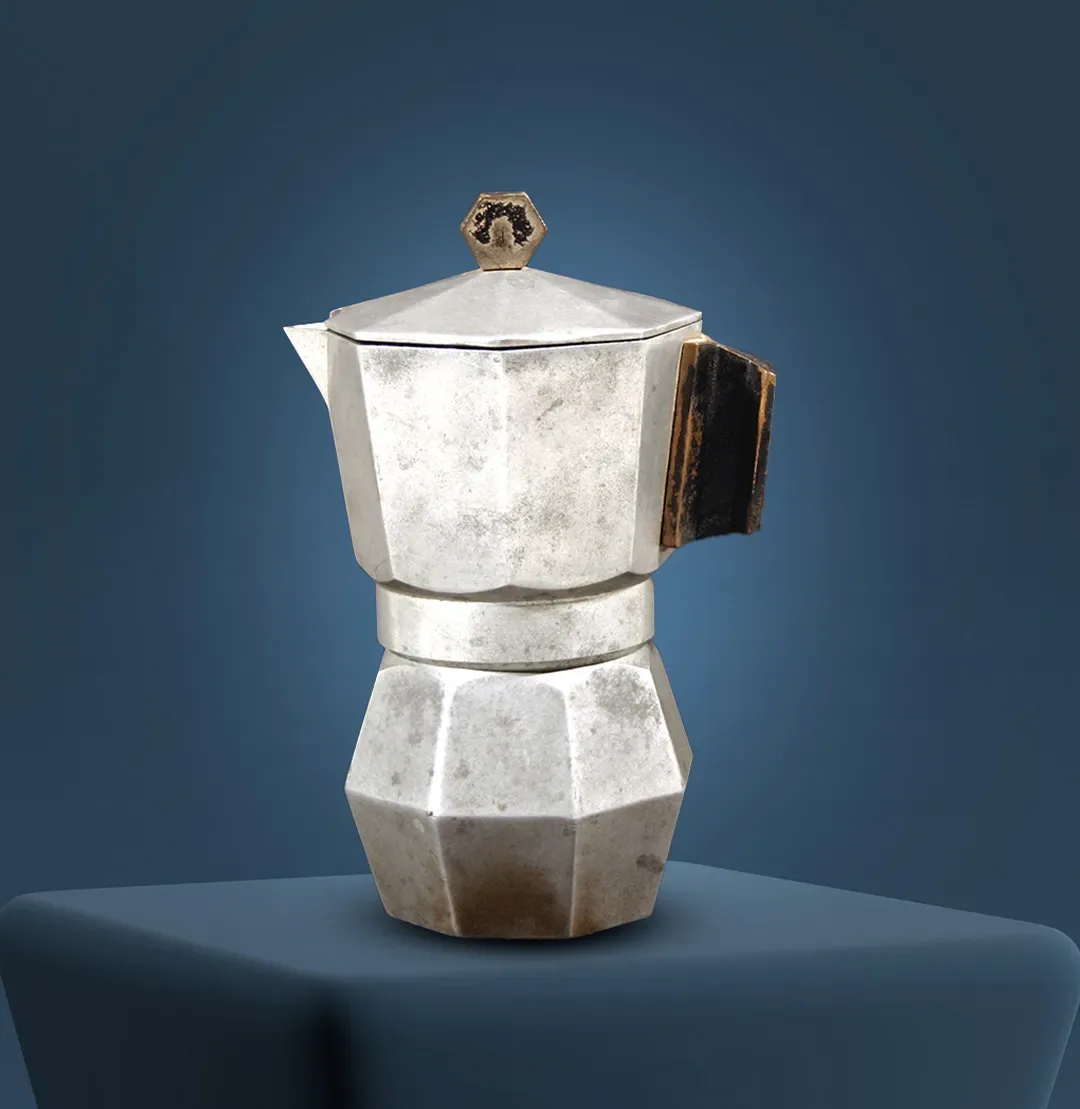
The story begins in 1919, in Crusinallo, near Omegna (Verbania) in Italy's northern Piedmont region. Alfonso Bialetti (1888–1970), who had spent some ten years learning metalworking in the French aluminum industry, set up a small workshop making semi-finished aluminum goods. This workshop grew quickly into "Alfonso Bialetti & C." and developed into a foundry that designed and produced finished goods itself, becoming the starting point of the Bialetti brand.
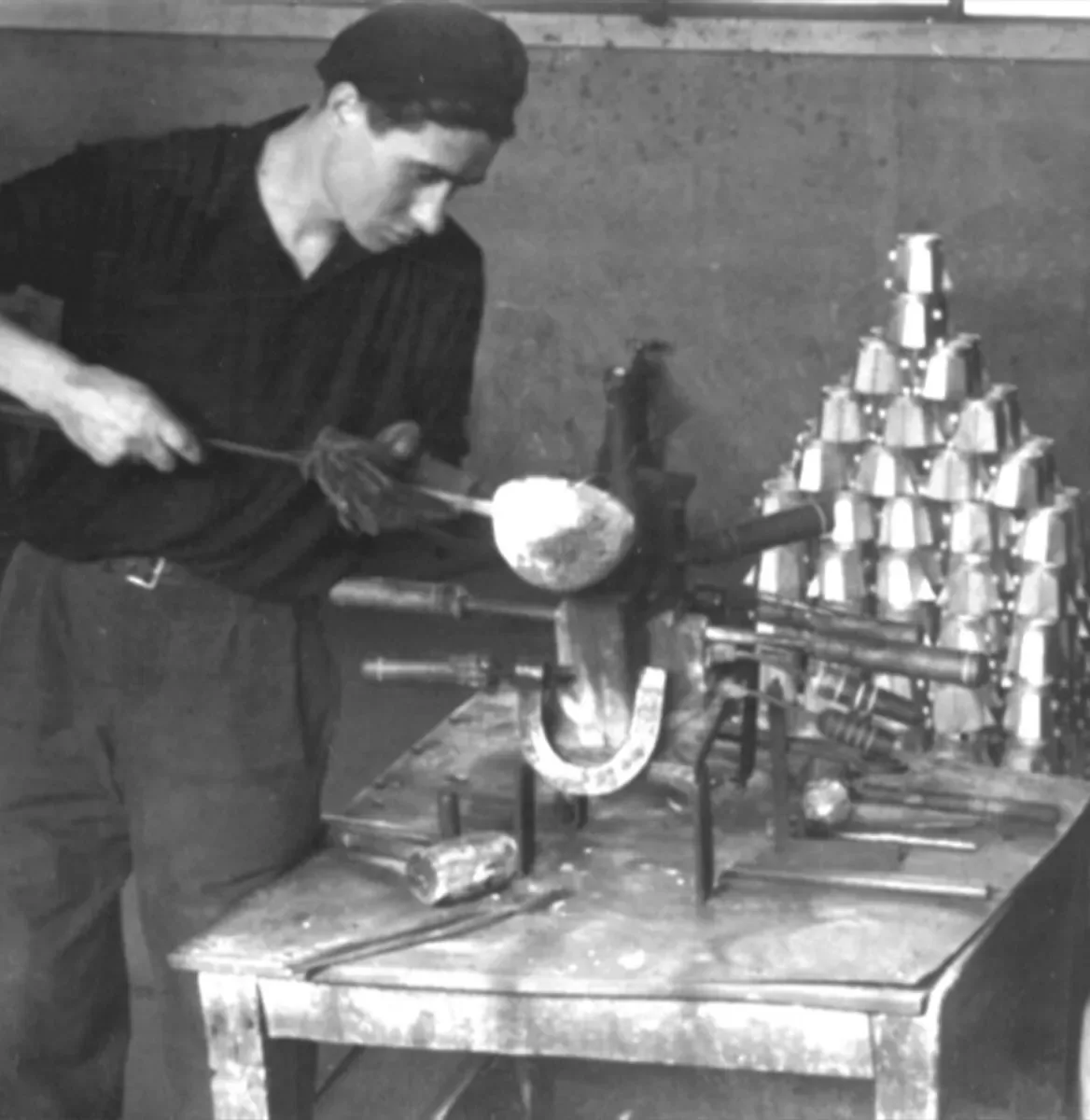
The real turning point came in 1933. Alfonso brought into the world the Moka Express, a stovetop coffee maker that let you brew coffee as strong as a bar's even at home. The name "Moka" was taken from "Mokha," the port city in Yemen renowned as a coffee-growing region. Those were the years of the Great Depression, a time when people went to cafés less often, and this tool — which let you enjoy "espresso-like" coffee cheaply at home — fit the needs of the era exactly.
Inspiration From a Washing Tub, and the Secret of the Octagon
The idea for the moka pot is said to have come from an unexpected place: the old laundry-boiling tub Alfonso's wife used. When you put the tub of soapy water on the fire, boiling water rose up a central tube and sprayed over the laundry. From this, Alfonso carried the principle of "pushing boiling water up with pressure" over to coffee extraction.
The most striking feature, the eight-sided body, carries several layers of meaning. The Art Deco-style angled facets evoke the elegance of the silver coffee sets used in wealthy households, and the flat faces are easy to grip while spreading heat evenly. On the other hand, there's also a romantic tale that it came from the silhouette of a woman with one hand on her hip — the head, broad shoulders, narrow waist, and pleated skirt. The choice of aluminum as the material was likewise a confluence of practicality — being light and a good conductor of heat — and the mood of 1930s Italy, which promoted aluminum as the "metal of the nation."

How Does a Moka Pot Brew Coffee?
You fill the lower boiler with water, place finely ground coffee in the funnel filter, then screw the top on tightly. Set it on the heat, and as the water in the bottom boils, steam pressure builds up; this pressure pushes the water up through the coffee bed, and strong coffee pools in the top chamber. A rubber gasket seals it so steam doesn't leak, and if the pressure climbs too high, a safety valve opens to prevent danger. When it's finished brewing, it makes its characteristic "gurgling" sound — that's the signal to turn off the heat.
The Mustached Man and the Marketing Genius Renato
The invention was Alfonso's, but the man who grew the Moka Express into a "national brand" was his son, Renato Bialetti (1923–2016). Returning from life as a prisoner of war, Renato took out the machines his father had stored away in the warehouse during the war and grew the business with sweeping advertising and nationwide sales. A product that had numbered around 10,000 units a year before the war spread, through his hands, across Italy and then out into the world.
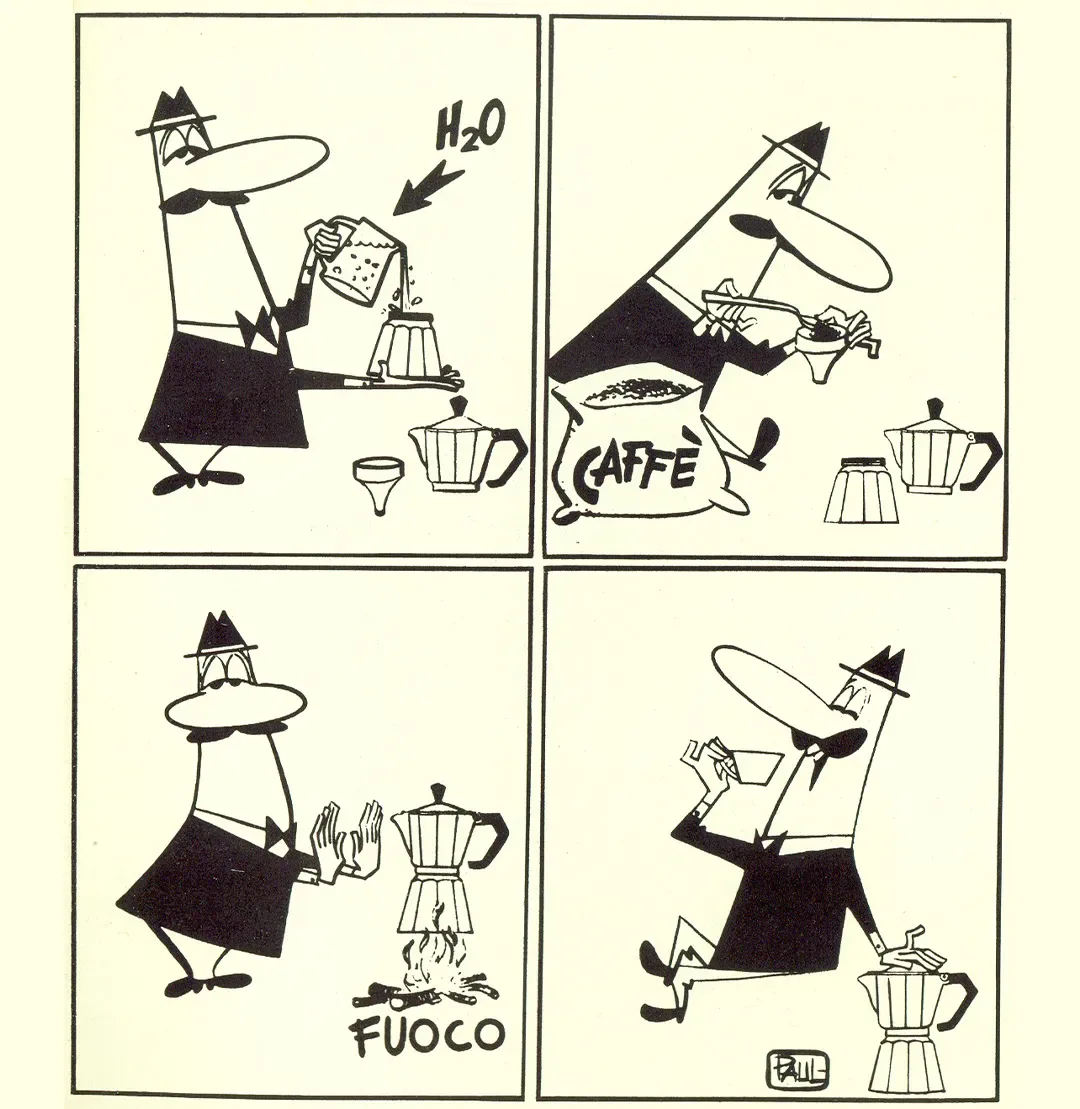
This mustached man is a caricature of Renato himself, and the image of him raising one hand to call out "One more!" is still engraved on every product and logo to this day. As he appeared steadily in the TV advertising segment Carosello, brand awareness shot up explosively, and the slogan they ran at the time was short but powerful — "in casa un espresso come al bar." It was the promise of an espresso at home, just like at the bar.
"A cup of coffee, no big deal — except it's not as easy as you'd think."
Beyond a Kitchen Tool, Into a "Cultural Icon"
The Moka Express became more than a mere bestseller — it became a page in design history. The original 1933 design entered the permanent collections of the Museum of Modern Art (MoMA) in New York and the Milan Triennale, and its design drawings are also exhibited at London's Design Museum. Cumulative sales surpassed 300 million units, and at one point people would say that "9 out of 10 Italian homes own a moka pot."
There's an anecdote that most symbolically captures the affection for this brand. When Renato Bialetti passed away in 2016, his family, following his wishes, placed his ashes in an urn shaped like a giant moka pot. It was a final farewell full of humor and affection, fitting for a man who spent his whole life alongside the moka.

Bialetti at a Glance
- Founded1919, Crusinallo, Piedmont, Italy (Alfonso Bialetti)
- SignatureMoka Express (appeared 1933, an almost unchanged eight-sided design)
- MascotThe mustached man "l'omino coi baffi" (modeled on Renato)
- Total salesOver 300 million units
- CollectionsMoMA New York, Milan Triennale, London Design Museum, and more
Beyond the Moka — A Century of Evolution
Bialetti's story didn't stop at the moka pot. Changes of ownership, a stock-market listing, and even capsule machines and induction compatibility — here we've gathered the key scenes the official history lays out.

Rondine Embraces Bialetti
Current chairman Francesco Ranzoni acquires Alfonso Bialetti & Co., which later merges with Rondine.

Listing on the Milan Exchange
On July 27, Bialetti Industrie is listed on the Italian Stock Exchange.

Espresso System
Responding to the age of capsule coffee, it introduces "I Caffè d'Italia" capsules and a line of machines.
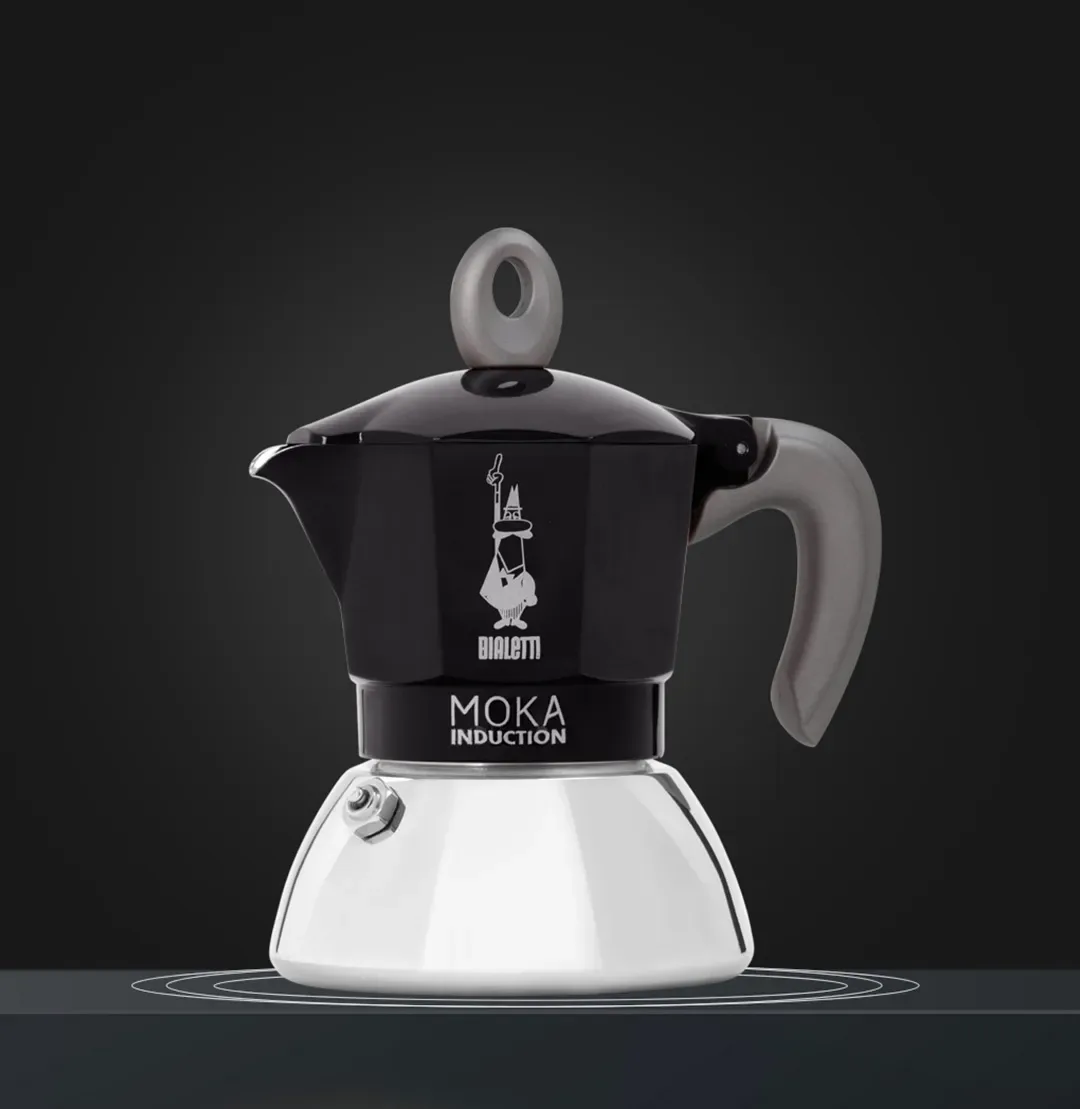
Moka Induction
Combining aluminum with a stainless steel boiler, it's reborn as a moka usable on induction and ceramic hobs too.
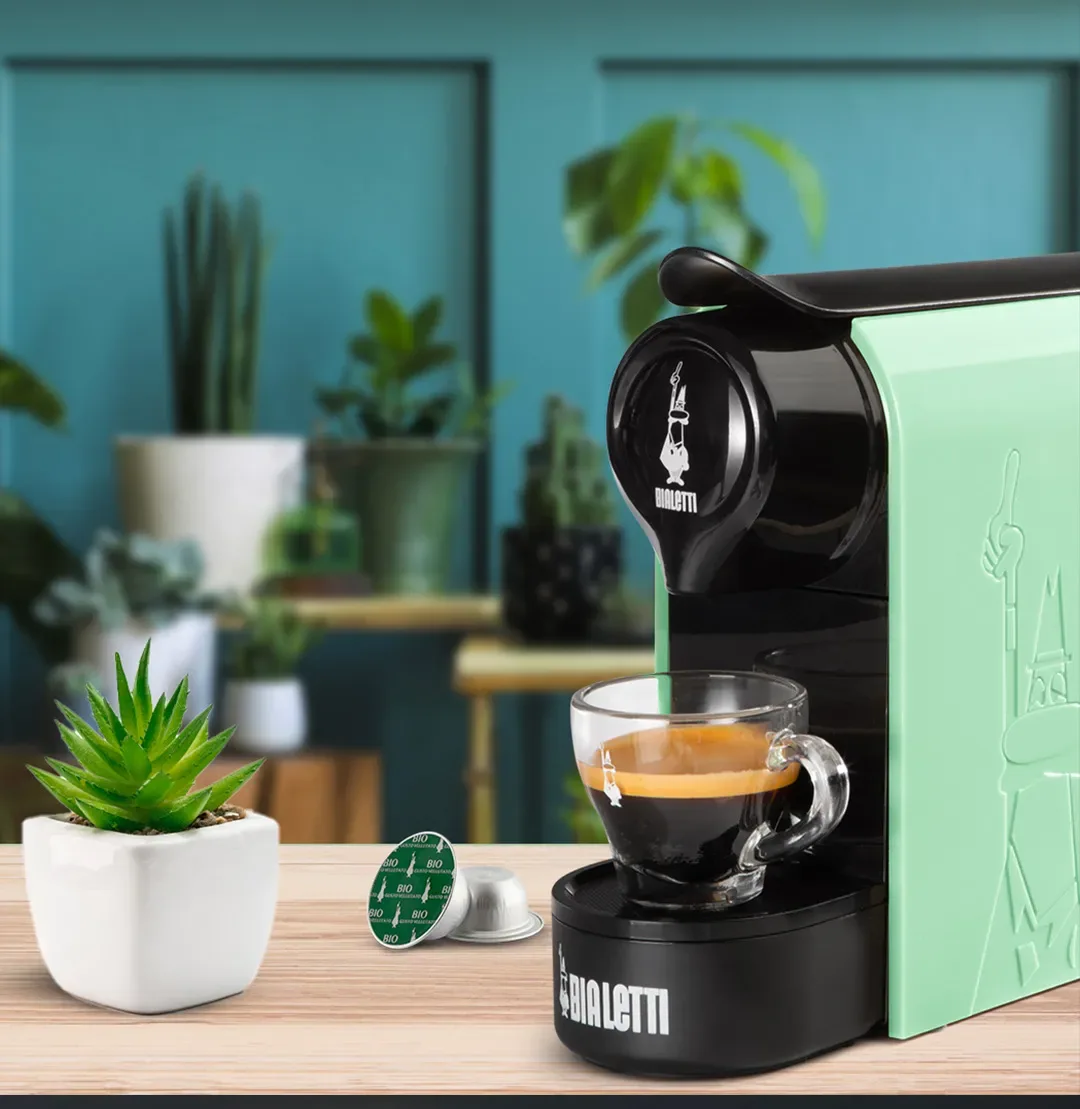
Gioia
An ultra-compact espresso machine under 34cm deep. The capsules are eco-friendly, made of recycled aluminum.
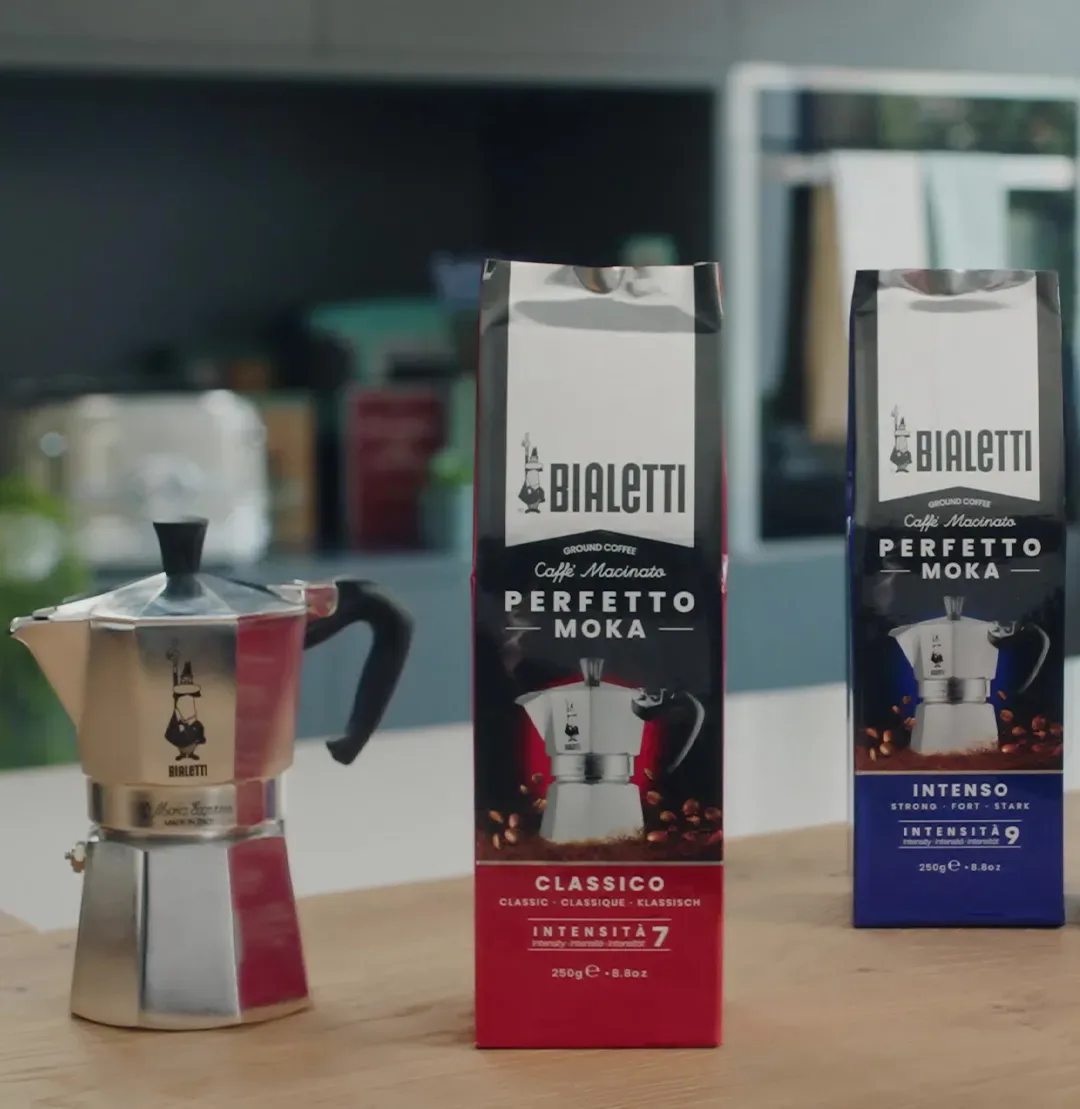
Perfetto Moka
Bialetti's own coffee, ground specifically for the moka. A line for moka lovers.
Crisis, and a New Owner
Even a brand that has lasted a century had its shadows. The arrival of capsule coffee, epitomized by Nespresso, ate into the traditional moka pot's market share, and with overreaching store expansion, diversification into kitchenware, and then COVID-19 all piling on, Bialetti struggled under heavy debt. In 2024, even as its revenue grew, Bialetti was carrying a net loss and net debt in the range of 80 million euros.
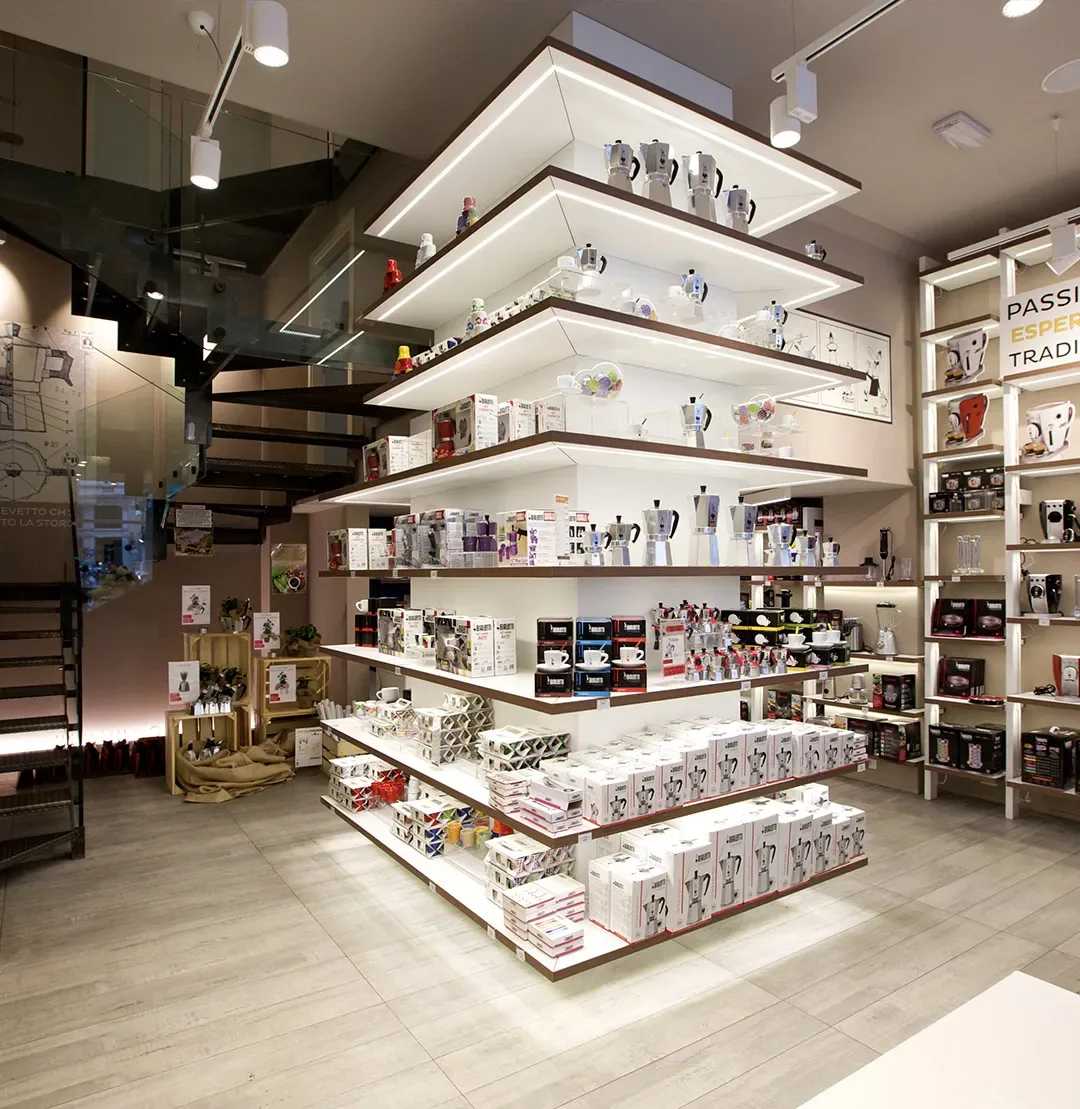
Finally, in 2025, Bialetti welcomed a new owner. The Luxembourg-based investment fund NUO Capital — a fund linked to Hong Kong capital and in which the Agnelli family's Exor is also involved — acquired about 78.5% of Bialetti's shares through Octagon BidCo. The deal closed in June 2025, and a delisting from the Milan exchange was set in motion. CEO Egidio Cozzi stayed on, carrying forward management continuity.
This event, in which a heritage brand emblematic of Italy fell into the arms of Asian-linked capital, is also a scene illustrating a larger trend of Europe's old luxury and consumer-goods brands meeting new capital. The design classic that is the moka pot will remain as it is, but the brand's next century may well be written in an entirely new way.
How to Brew Deliciously With a Moka Pot at Home
- Fill the lower boiler with water only up to just below the safety valve. (Pre-warmed water if possible.)
- Place finely ground coffee level in the funnel filter, but don't press it down. Tamping too much over-extracts and makes it bitter.
- Heat slowly over low to medium heat. High heat causes a burnt taste.
- The moment the coffee rises and starts making the "gurgling" sound, turn off the heat right away. Leaving it to the end scorches it.
- For aluminum models, rinse with water only rather than scrubbing hard with detergent — it's better for preserving the flavor.
That a single little aluminum pot has been loved for nearly 100 years without changing its form — that is the power of "good design" Bialetti has proven. It's a cup of coffee that shows how far a simple idea, born from observation, can go when it meets function and story.
Read More Deeply
- Bialetti's Official "Our History" — the chronology the brand itself laid out (source of many images in this post)
- MoMA Collection "Moka Express" — the moka pot as a museum sees it
- Wikipedia: Bialetti — an overview of the company and products
※ Image sources: Bialetti official website (history) and Wikimedia Commons.
☕ If You Want to Brew With a Moka Pot Yourself
From water amount and grind size to heat control, we've put together a thorough guide to brewing delicious coffee with a moka pot.
📑 Guide to Brewing a Moka Pot Well

댓글 0
첫 댓글을 남겨보세요.