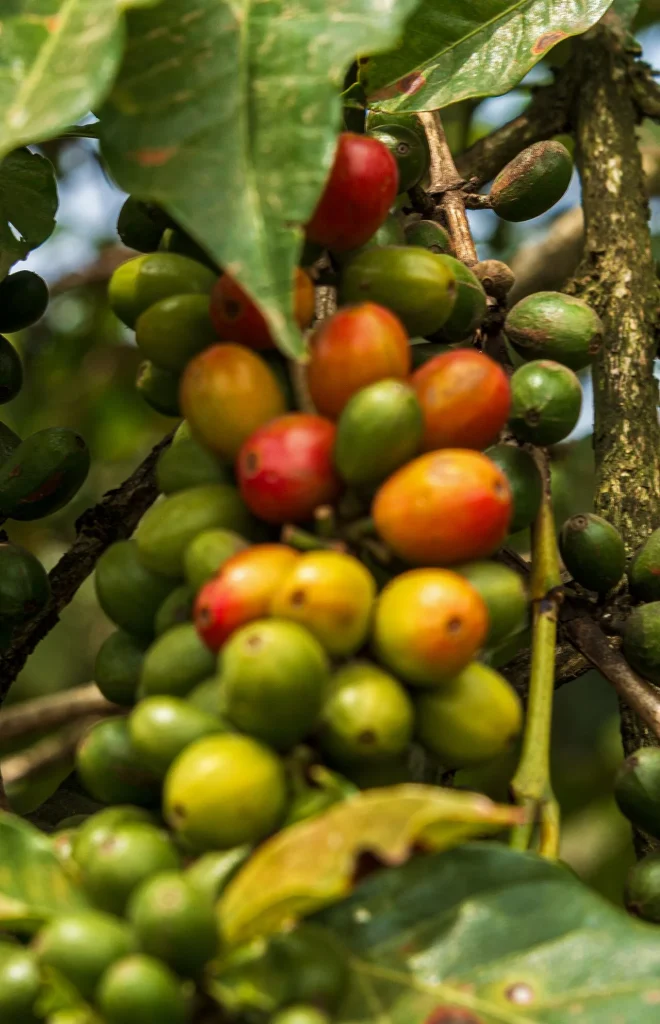
Ethiopian Yirgacheffe. If you're new to specialty coffee, it's a name you'll hear at least once. Praise like "it smells of flowers," "it's like black tea," and "the acidity is bright" always tags along, but actually drink it and some people tilt their heads, asking "why is this supposed to be good?" So we decided to ask the conclusion first. Yirgacheffe — is it really my kind of coffee?
Coffee taste is, in the end, a matter of preference. But to judge that preference, you first have to know what character this coffee has. We've worked through, step by step, why Yirgacheffe tastes the way it does, who it suits well and who might find it unfamiliar, and how to brew it at home so its charm comes alive.
ORIGINWhere does Yirgacheffe come from?
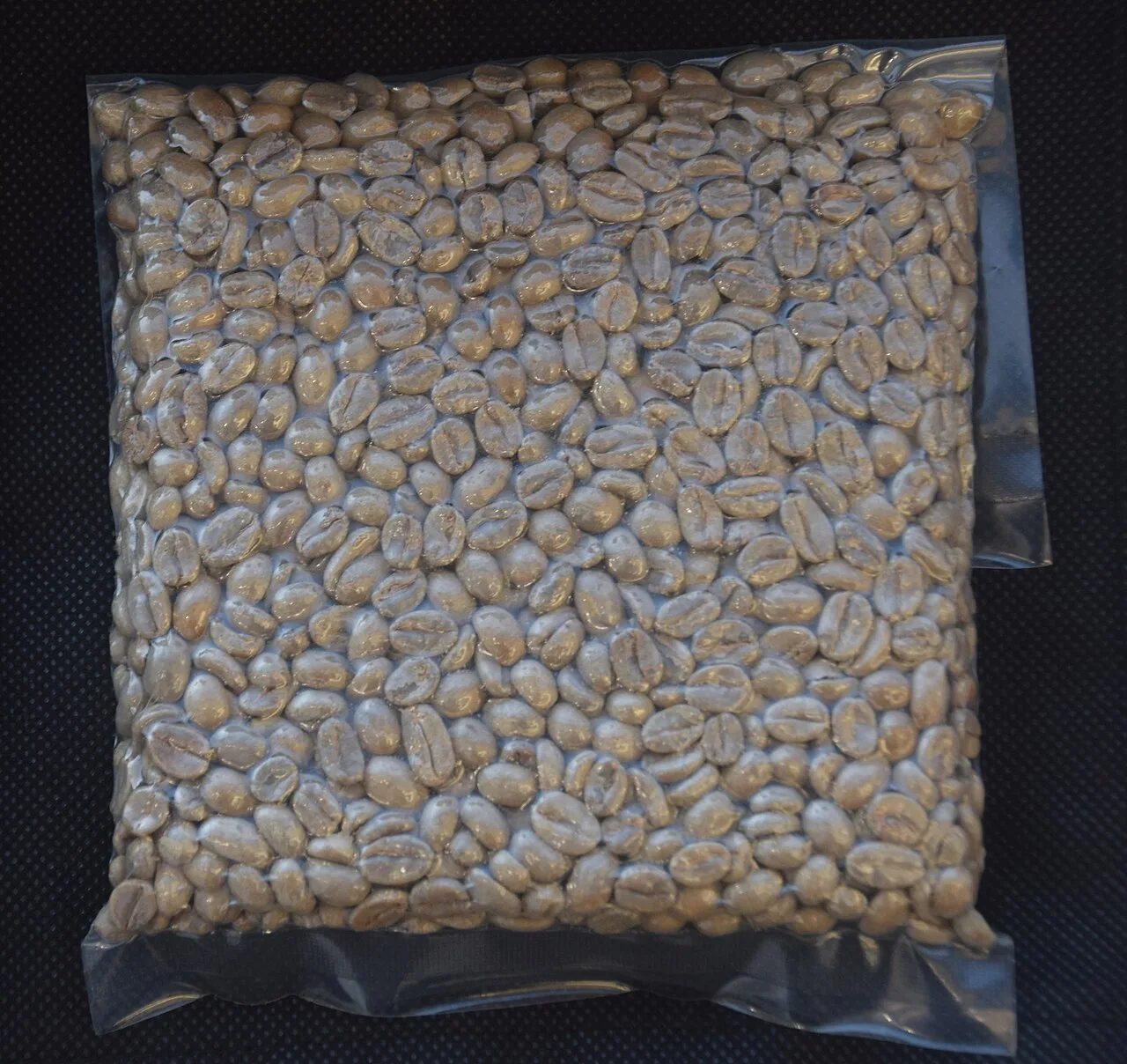
Yirgacheffe is both the name of a small town in the Gedeo Zone of southern Ethiopia and a regional name for the coffee grown in that area. It grows in highlands at 1,800–2,200 m elevation, and that height is the key. The day-night swing — warm by day, cool by night — makes the coffee cherries ripen slowly, and in the meantime acidity and sweetness condense densely.
Another secret is the variety. Yirgacheffe coffee isn't a single variety someone bred, but the heirloom landrace varieties that have grown wild and intermingled for hundreds of years on the Ethiopian plateau. At the very origin of coffee, it grows just the way it always has. This genetic diversity creates Yirgacheffe's distinctive, complex floral and fruity aromas.

FLAVORThe taste of Yirgacheffe, in a word
The most widely known Yirgacheffe is the washed (washed-process) kind. Take a sip of washed Yirgacheffe and what rises first isn't a deep body but a bright aroma. The words experts borrow to describe it usually go like this.
The key is that it's "not heavy, but bright". If you're used to deep, hefty dark-roast coffee or coffee with savory nut and chocolate aromas, your first impression of Yirgacheffe may feel somewhat "thin" or "tea-like." Conversely, to someone who loves that light, fragrant texture, it's charming enough to make going back to other coffees hard.
"Yirgacheffe isn't a strong coffee — it's a fragrant coffee."
PROCESSWashed vs. natural — same town, different face
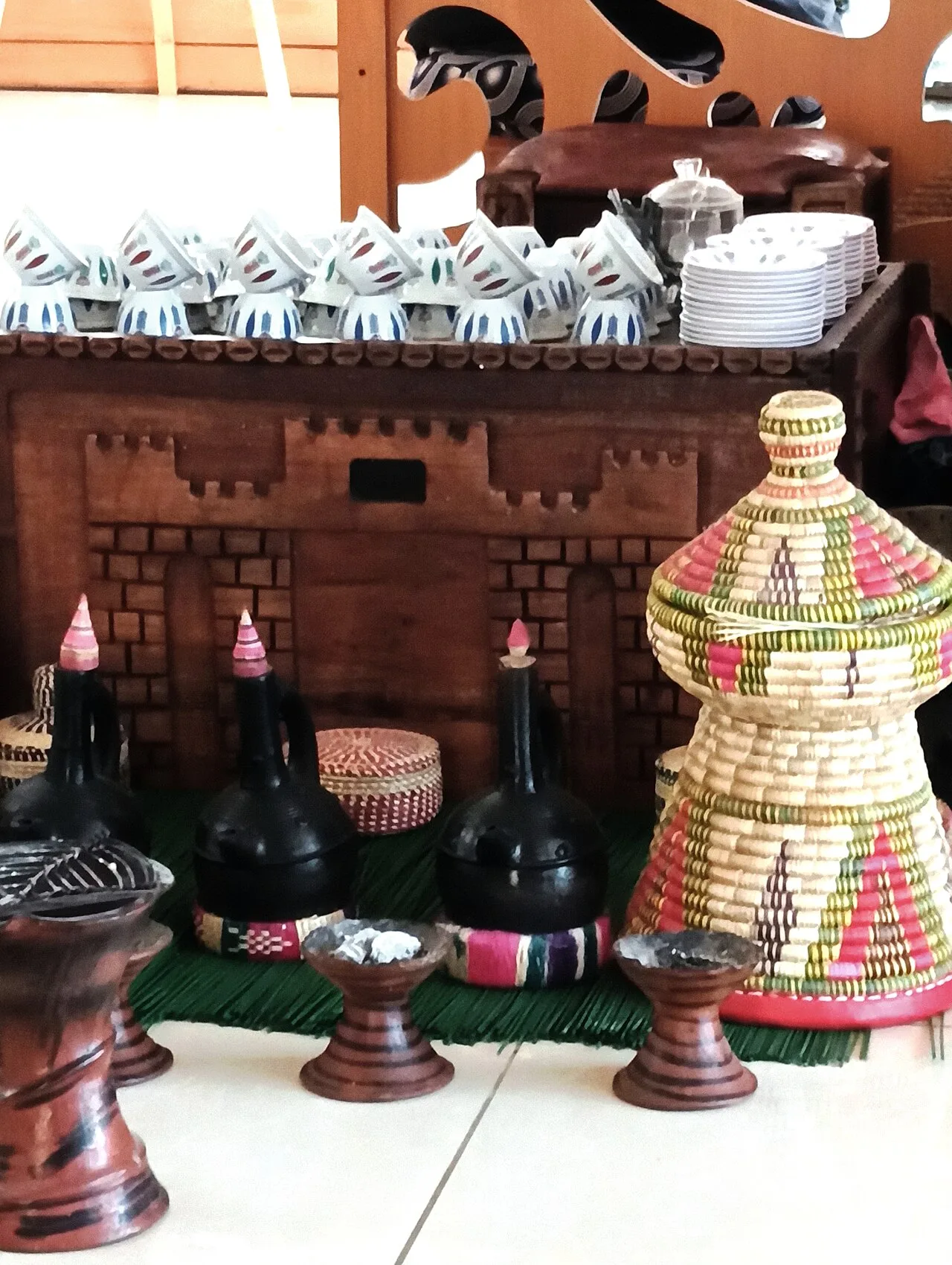
The same Yirgacheffe becomes an entirely different coffee depending on the processing method. Interestingly, Ethiopia's first washed-process facility, built in the 1970s, was set up right here in Yirgacheffe. The "clean Yirgacheffe" we know was born that way.
| Category | Washed | Natural |
|---|---|---|
| Processing | Pulp removed, washed with water, then fermented and dried | Dried whole in the sun, cherry and all |
| Aroma | Jasmine, bergamot, citrus; a clean floral scent | A dense, sweet scent of blueberry, wine, and ripe fruit |
| Body | Light and translucent, a black-tea-like texture | Heavy and syrupy texture |
| Impression | Delicate and elegant (clean) | Intense and wild (funky) |
| Recommended for | Those who enjoy acidity and aroma | Those who love sweetness and a fruit bomb |
The formula "Yirgacheffe = floral, acidity" is actually based on the washed version. Natural Yirgacheffe has a heavy sweetness like blueberry and wine, hard to believe it's coffee from the same town. So even people who say "Yirgacheffe didn't suit me" sometimes have their impression completely flipped when they meet a differently processed Yirgacheffe.
MATCHSo, is it my kind of coffee?
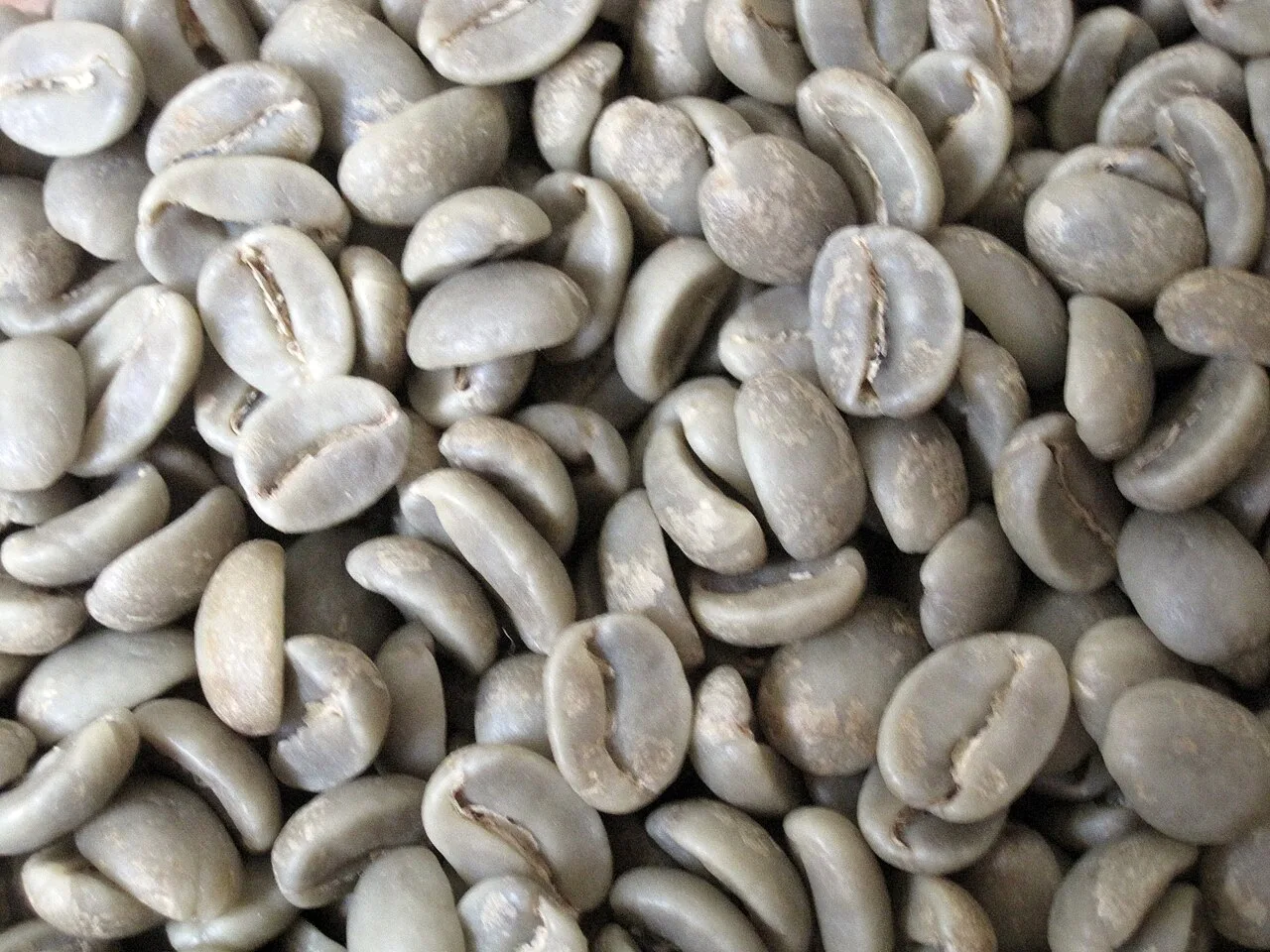
Taste has no right or wrong. But hold yourself up to the table below and the answer comes quickly.
👍 It suits people like this
- Those who want to enjoy floral and fruity aromas in coffee
- Those who like bright, vivid acidity
- Those who prefer the light texture of black or green tea
- Those who drink it black, by pour-over
- Those who want to enjoy the aroma as iced or cold brew
🤔 It may feel unfamiliar to people like this
- Those who love a deep, hefty dark roast
- Those expecting savory nut and chocolate aromas
- Those who perceive acidity as "sourness" and shy away from it
- Those who drink it with lots of milk and syrup
- Those who want a strong body to wake them up
The last item especially matters. Yirgacheffe's delicate aroma is easily buried by milk or syrup. Drink it as a latte and there's no real reason to use Yirgacheffe at all. Yirgacheffe shines brightest when you drink it black.
BREWHow to brew it deliciously
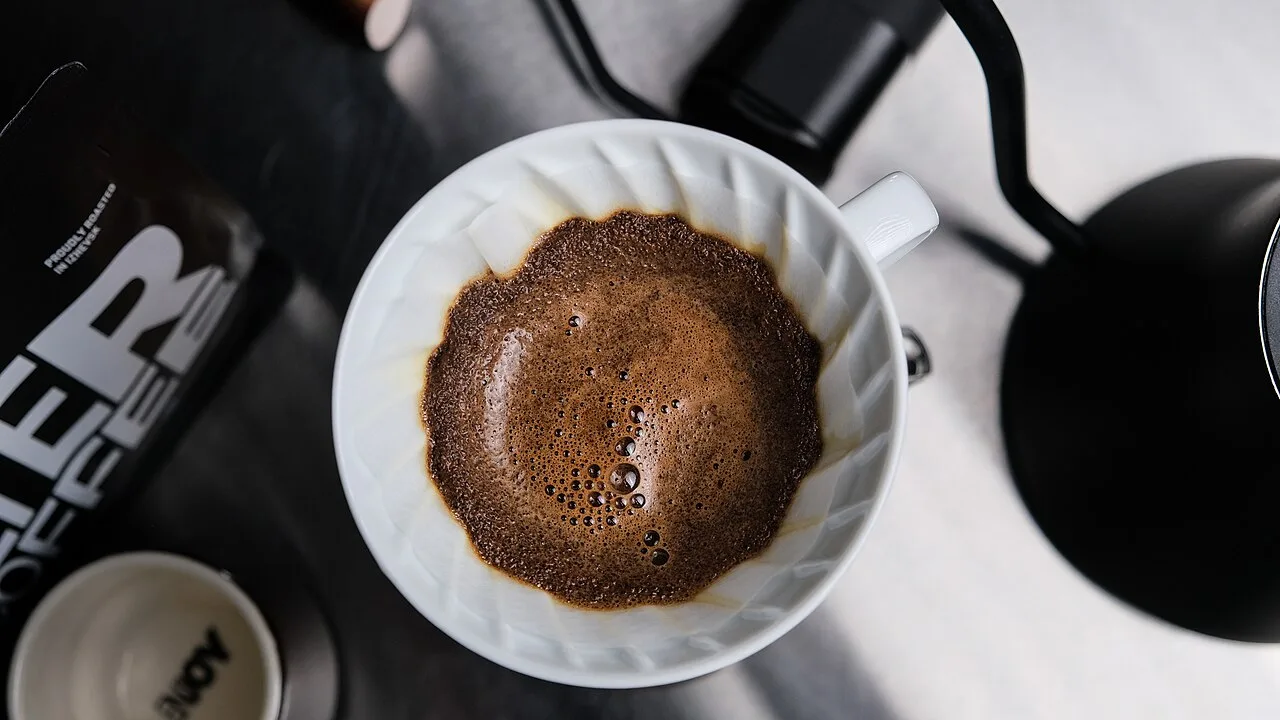
Yirgacheffe's aromatic compounds are among the most volatile of any coffee. That's why freshness matters more than with any other bean. Using freshly roasted beans, ground right before you drink, is the first principle. And a pour-over with a paper filter brings out Yirgacheffe's clean texture best.
- Equipment
- A conical/trapezoidal dripper like a V60 or Kalita + paper filter
- Ratio
- Coffee : water = 1 : 16 (e.g., 15 g coffee · 240 g water)
- Grind size
- Medium to medium-fine
- Water temperature
- About 92–96°C — over-extraction kills the delicate aroma
- Roast
- Light to medium. Roast it dark and the floral notes and acidity disappear
Brew it with a metal filter, like a French press, and the oils and fines get extracted together, blurring Yirgacheffe's distinctive translucent feel. If you want cleanness, we recommend a paper filter. And thanks to its bright acidity and aroma, Yirgacheffe is excellent as iced or cold brew too. Drink it chilled and the citrus aroma comes through even more clearly.
VERDICTWill I like Yirgacheffe?
If you're after a "strong coffee," Yirgacheffe isn't the answer. But if you want to enjoy coffee as a fragrant beverage in a cup, as a delicate experience closer to tea, few introductory coffees rival Yirgacheffe.
If you felt it was "thin" the first time you drank it, that's likely not because Yirgacheffe is bad, but because your palate is still tuned to the standard of strong coffee. If the brightness of the washed version didn't suit you, try a natural Yirgacheffe; if black is too much, try a well-chilled cold brew.
In the end, the answer to whether Yirgacheffe is delicious is just one. "If coffee drunk for its aroma is your kind of thing, then yes, it's definitely delicious."
Try drinking Yirgacheffe while keeping your own record
We've put tasting notes organized by aroma, taste, acidity, and finish, plus a 1:16 pour-over recipe, into Ggomggomhan. Brew along with it and leave notes on what suits your palate.


댓글 0
첫 댓글을 남겨보세요.