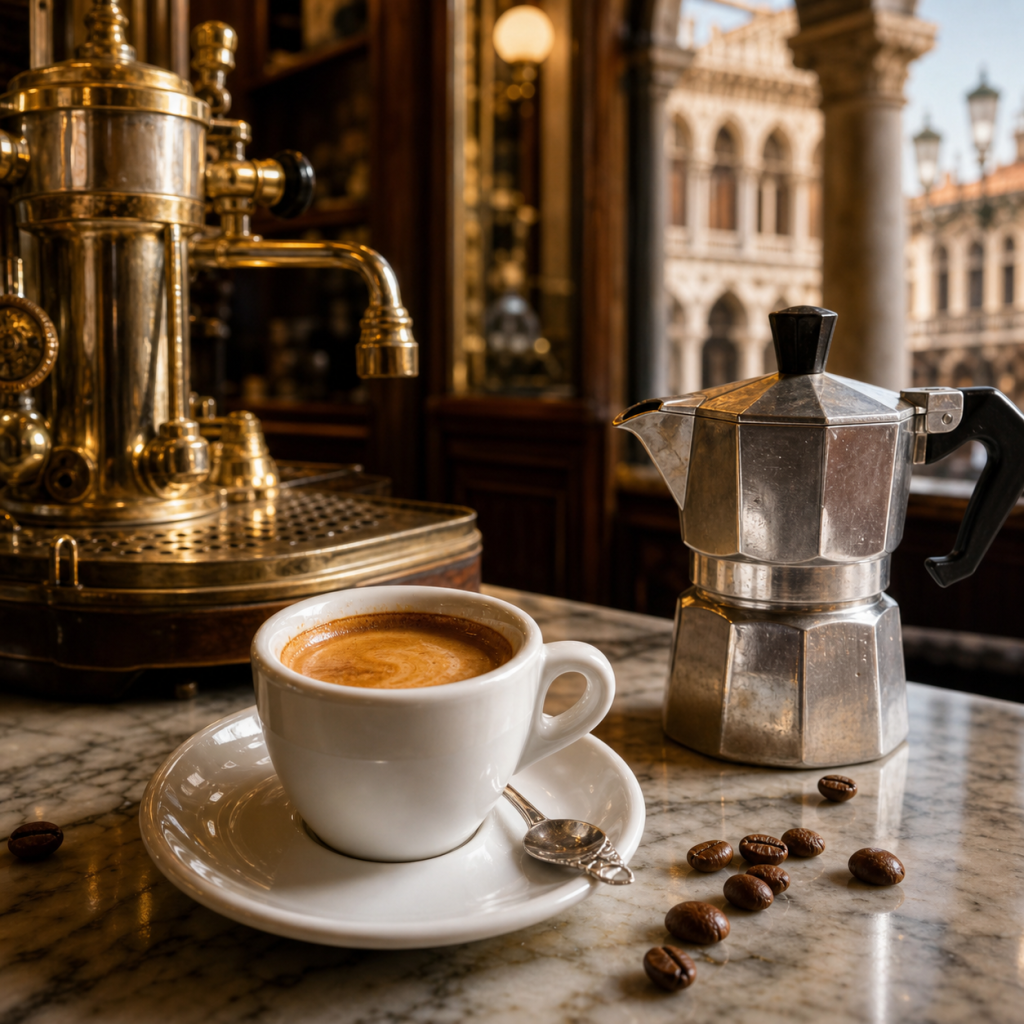
In Italy, coffee is less a simple beverage than something close to the grammar of daily life. A short espresso drunk standing at the bar, a cappuccino that only feels natural in the morning, a moka pot bubbling on the kitchen stove, and even a cup paid for in advance for someone else. Within a single cup of coffee live both speed and etiquette, the sociability of the city and the morning of the family.
That grammar didn't form overnight. From the days when unfamiliar beans arrived at Venice's harbor, to the moments when inventors in Turin and Milan worked to brew coffee faster, to the 20th century when the Bialetti moka pot entered the kitchen. This piece is a small cultural history tracing how Italian coffee became what it is today.
1. Venice — The Gateway Where Coffee Entered Europe
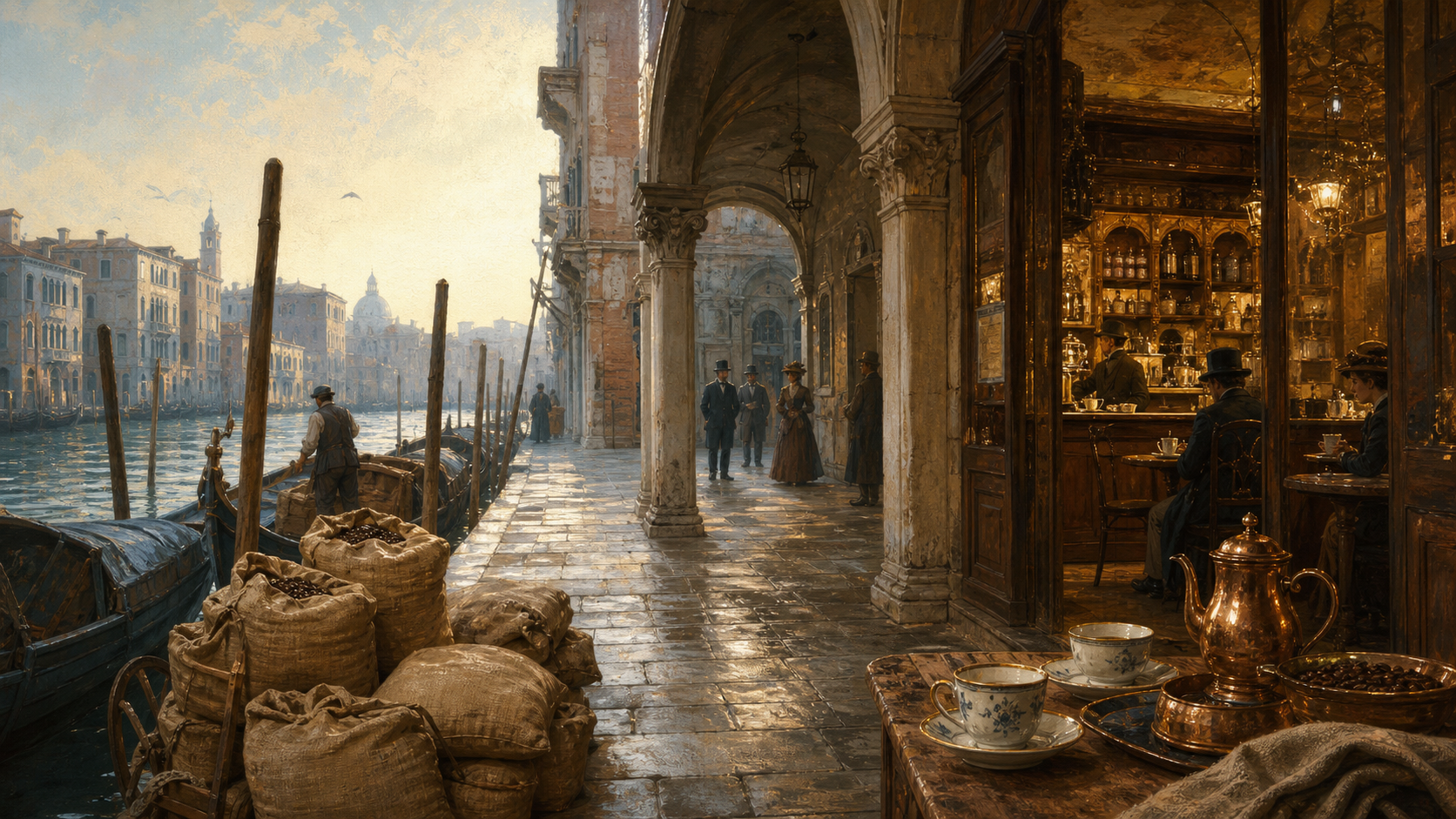
Venice stood at the crossing where coffee reached Italy. Merchants who traveled between the East and the Mediterranean brought in not only spices and textiles but also unfamiliar beverage cultures. Prospero Alpini, a physician and botanist of the late 16th century, is often cited as the figure who introduced the coffee tree and the custom of drinking coffee, which he had seen in Egypt, to European intellectual society.
At first, coffee was closer to an exotic medicine than the everyday drink of today. It was a rare item handled by apothecaries, and its bitterness and stimulating effect drew in curious aristocrats and intellectuals. Gradually, coffee moved into the bottega del caffè — the shop that sold coffee. By the mid-18th century, Venice is said to have already had countless coffeehouses, so it didn't take long for a commodity of the harbor to become a habit of the city.
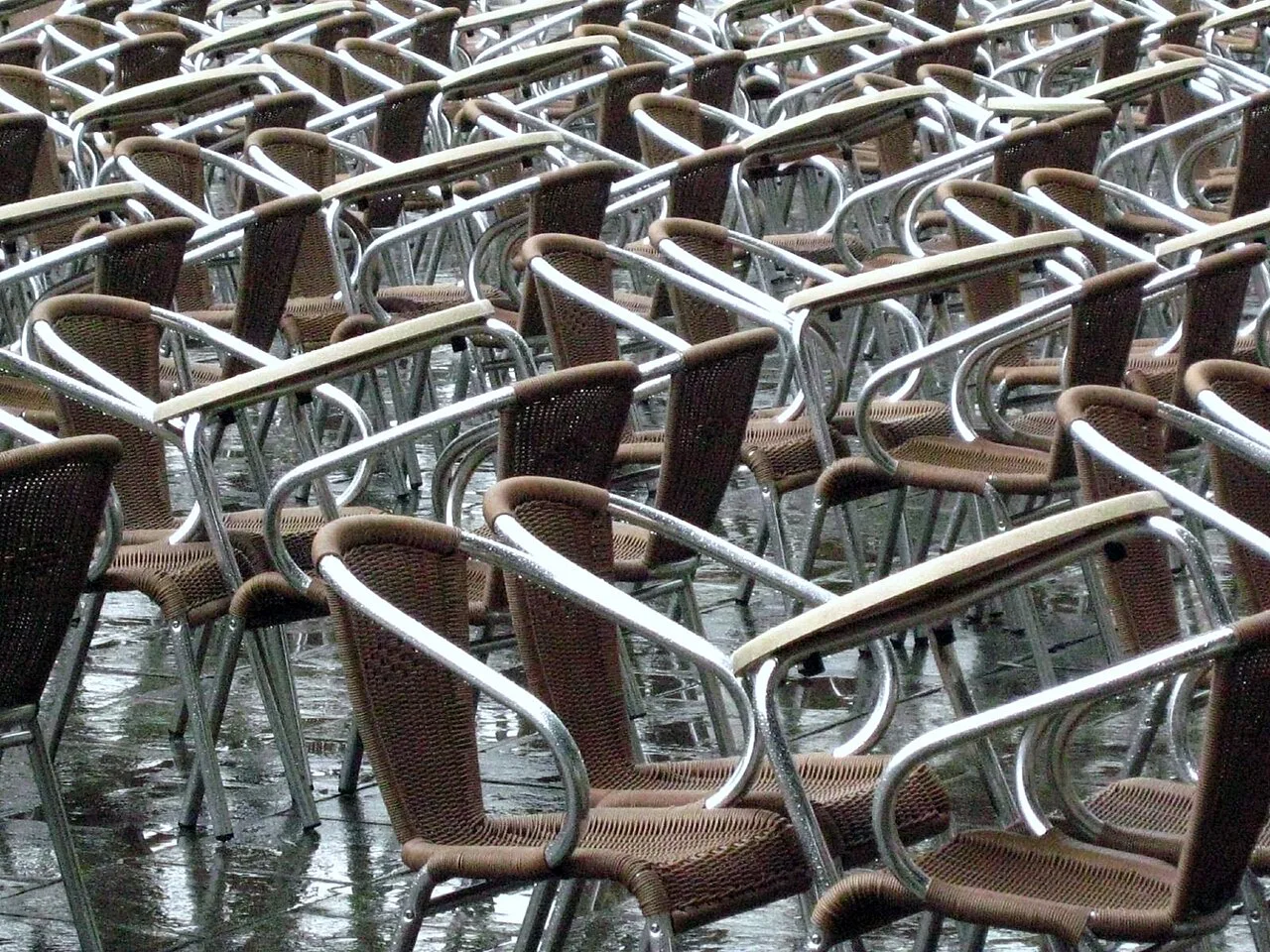
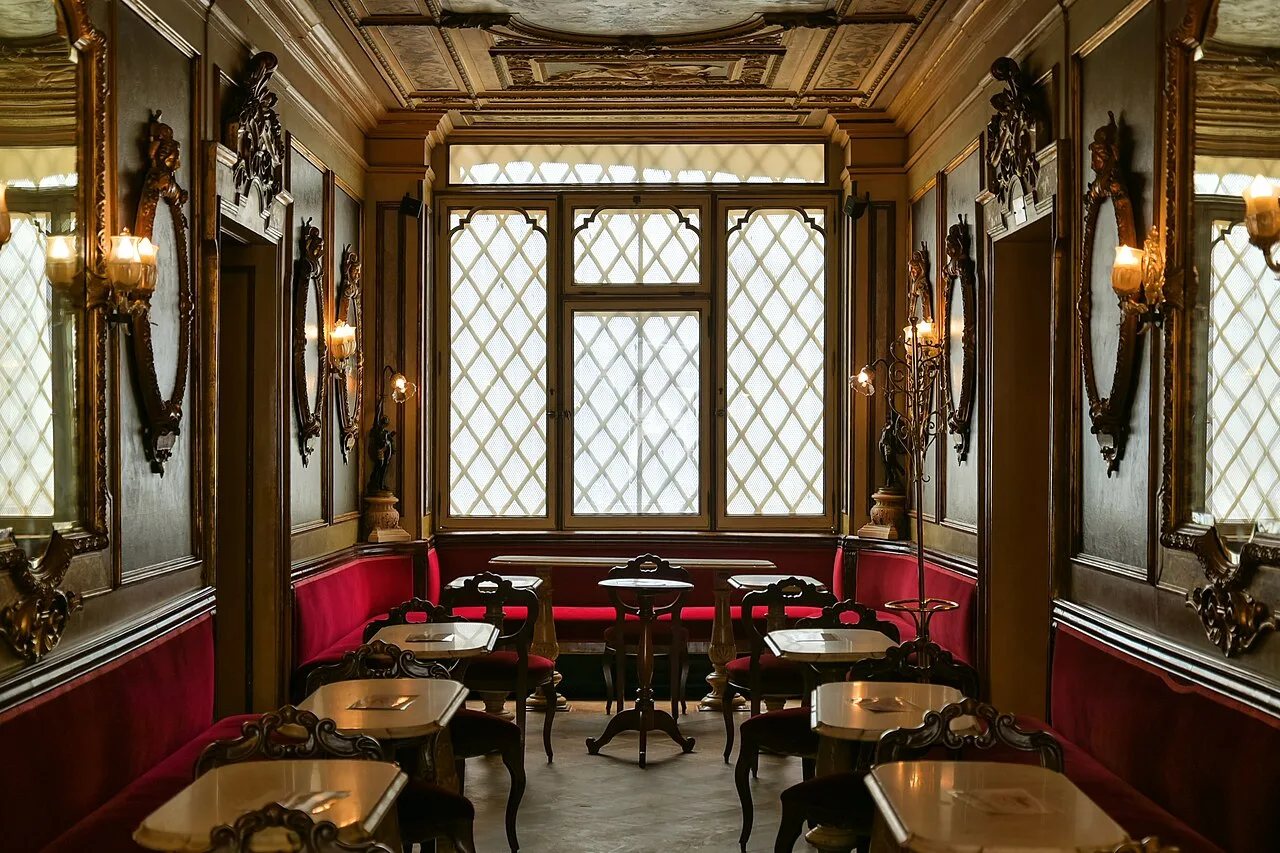
Caffè Florian, 1720
Caffè Florian, which opened in St. Mark's Square in 1720, is a place that almost symbolizes that change. A historic café still operating in the same square today, names like Goethe, Byron, and Casanova appear in its stories. It is known in particular as a café that, unusually for the time, allowed women to enter, giving it the image of an urban space where the boundaries of status and gender loosened little by little.
What mattered was not only the coffee itself. The café was a place where newspapers were read, where politics and literature were discussed, and where strangers stayed together in the same room. Behind the Italian café becoming not a mere teahouse but a plaza of sociability and ideas lay this very atmosphere of the city.
2. Espresso — Faster, but One Cup at a Time
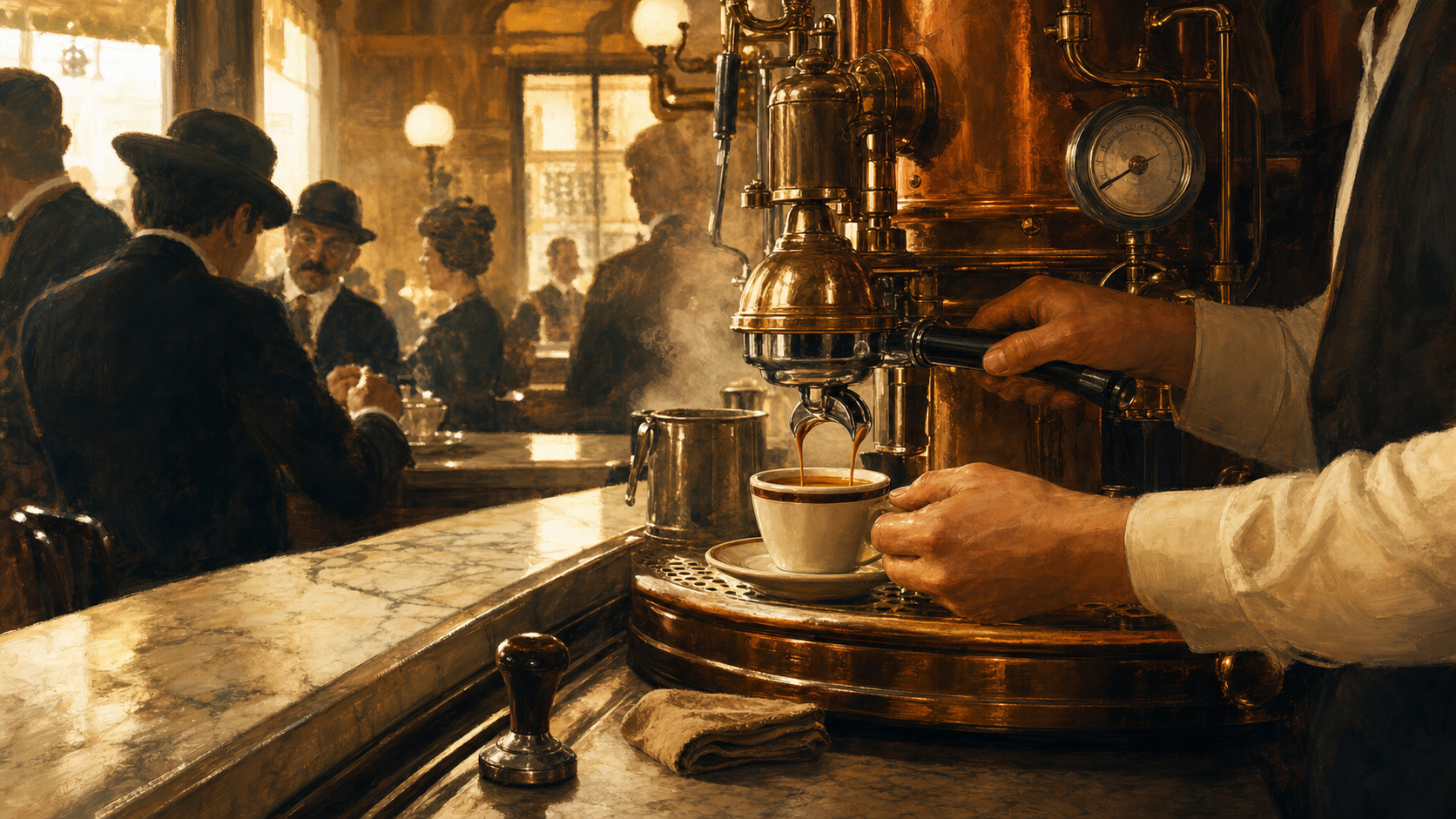
Until the late 19th century, brewing coffee at a café was far slower than it is now. In busy downtown cafés crowded with customers, there was a need for a way to brew coffee faster, more consistently, and ideally one cup at a time the moment an order came in. The history of espresso began from a problem of speed before it was an innovation of taste.
In 1884, the Turin inventor Angelo Moriondo patented a machine that used steam pressure to extract coffee quickly. It is an invention often cited today as the first espresso machine. That said, Moriondo's machine was closer to bulk extraction and was not widely adopted.
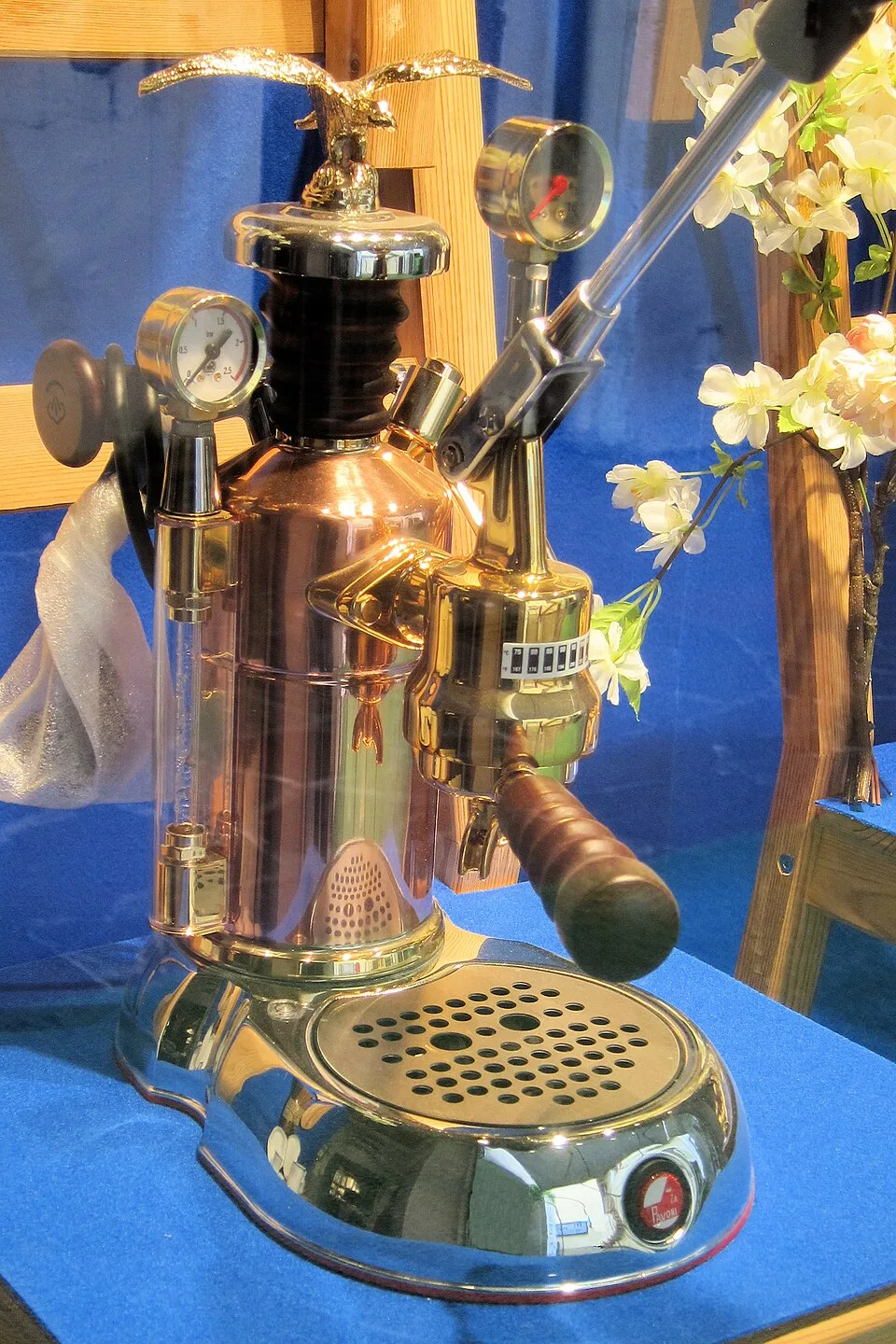
The figure who pulled that idea toward the single café cup was the Milan engineer Luigi Bezzera. In 1901 he patented a structure including single-cup extraction and a portafilter, and the businessman Desiderio Pavoni commercialized machines based on that patent. La Pavoni founded its company in 1905 and released the Ideale machine, beginning to change the café's method of extraction in earnest.
The Birth of Crema — Achille Gaggia
The early steam machines were fast, but their control of pressure and temperature was crude. The coffee easily leaned toward bitter, burnt flavors. The Milan barista Achille Gaggia overcame this limitation. In 1938 Gaggia patented a method that used the pressure of hot water instead of steam, and after the war he developed a lever-piston structure and unveiled a commercial machine in 1948.
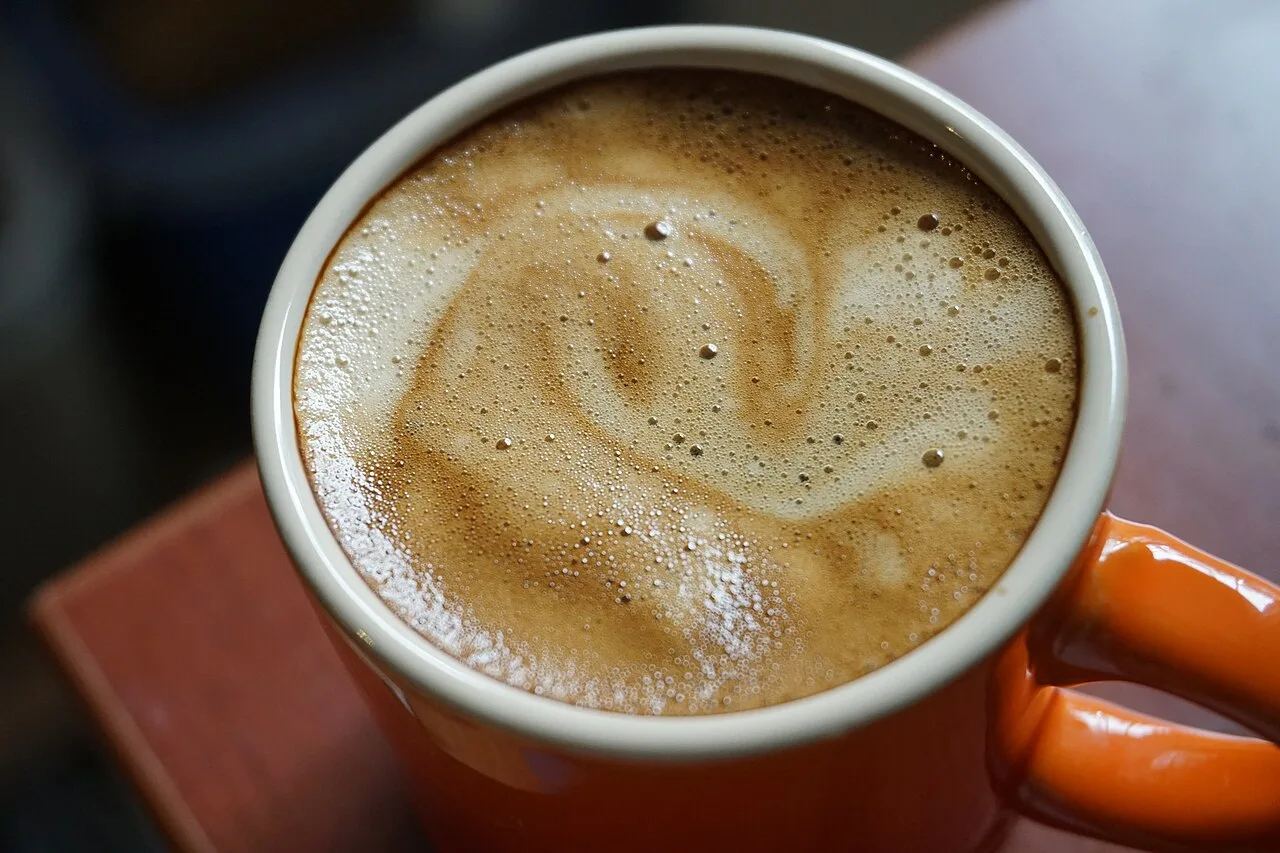
The result was visible. A golden layer of foam rose on top of the small cup, and at first people found it unfamiliar. Gaggia called this foam crema. That very crema, the first thing we now think of when we picture a good espresso, was in fact a new sensation created by technological change.
In 1961, the FAEMA E61 opened an era of more stable pressure and temperature control with its electric pump and heat exchanger at the forefront. After that, café espresso came to develop alongside the consistency of machines, not only the hand-feel of artisans.
The Flow of Espresso and the Moka Pot
- 1884 — Angelo Moriondo patents a steam-pressure coffee extraction machine
- 1901 — Luigi Bezzera patents a structure for single-cup extraction and the portafilter
- 1905 — Desiderio Pavoni founds La Pavoni and commercializes the Ideale machine
- 1933 — Alfonso Bialetti creates the symbol of strong home coffee with the Moka Express
- 1938–1948 — Achille Gaggia opens the era of high-pressure extraction and crema
- 1961 — The FAEMA E61 cements the standard of the modern, electric-pump espresso machine
3. The Moka Pot — Strong Coffee That Entered the Kitchen
While café machines grew ever more sophisticated, home coffee also met its own revolution. It was the octagonal pot made in 1933 by the aluminum craftsman Alfonso Bialetti, the Moka Express. The structure, which pushed hot water up over the coffee layer with the pressure created as water boils, was simple, but its effect was great. Now you could make strong, short coffee at home without an expensive café machine.
The moka pot's success owed as much to image as to technology. After the war, his son Renato Bialetti grew the brand, and the mustachioed character known as l'omino coi baffi entered the memory of Italian households. So the moka pot became a cultural object that was both a kitchen tool and something that evokes the family's morning.

If the bar's espresso is a short, social cup, the moka is a more private one. The moment when water boils in the kitchen, the metal pot makes its sound, and the aroma of coffee spreads through the home. The moka pot makes clear that Italian coffee culture embraces both the outside counter and the inside table at once.
4. The Unwritten Rules of the Bar — Drinking the Italian Way
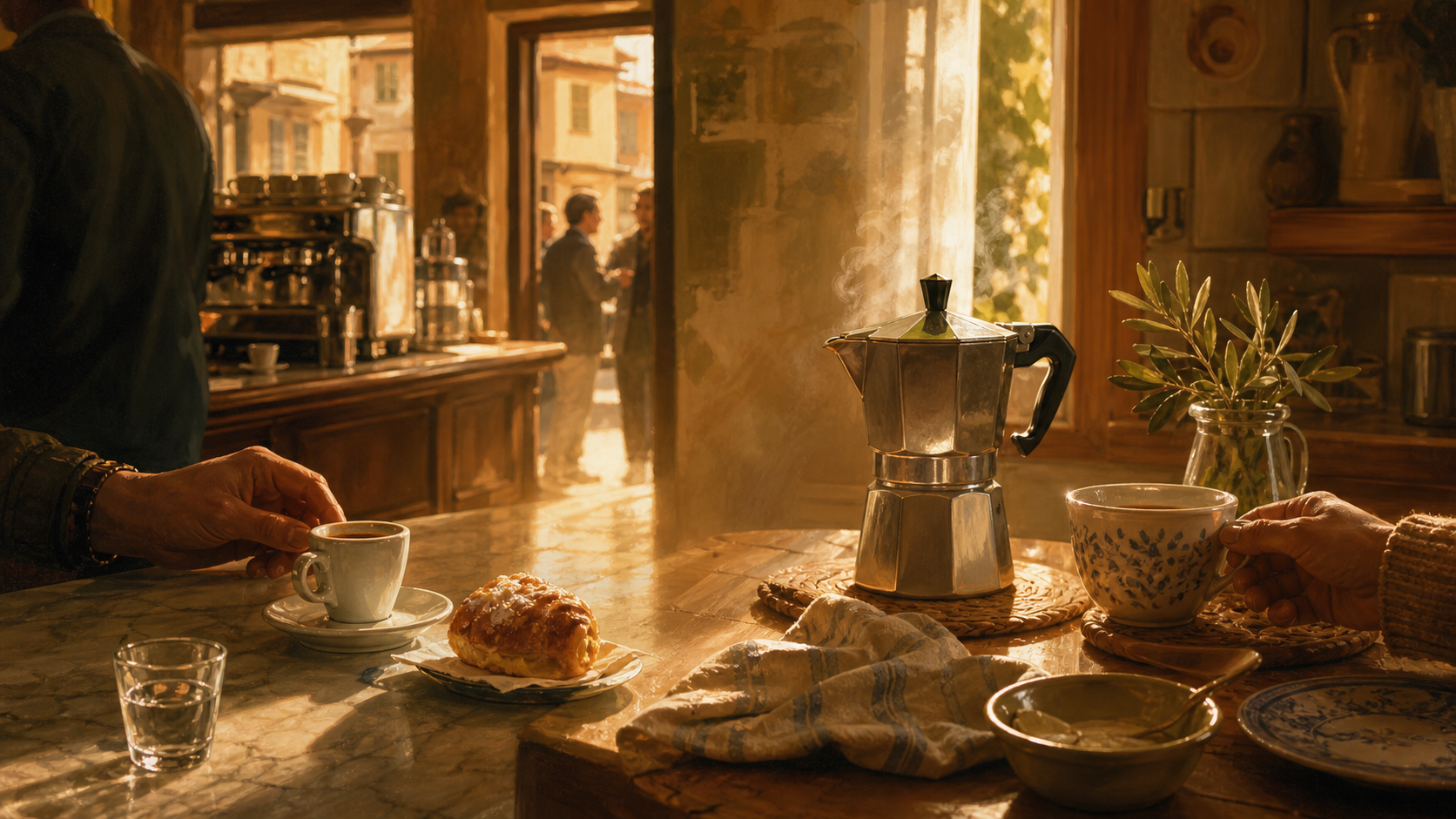
In Italy, the bar is closer to a neighborhood coffee stand than the pub we tend to imagine. Stopping by on the way to work, standing at the counter (al banco), and quickly drinking an espresso before leaving is a long-standing rhythm of daily life. In some places a service charge applies if you sit at a table, so the cup drunk standing up became the cheaper, faster choice.

Useful phrases to know at an Italian bar
· If you simply order un caffè, you'll usually get an espresso. In Italy, the default of coffee is the short cup.
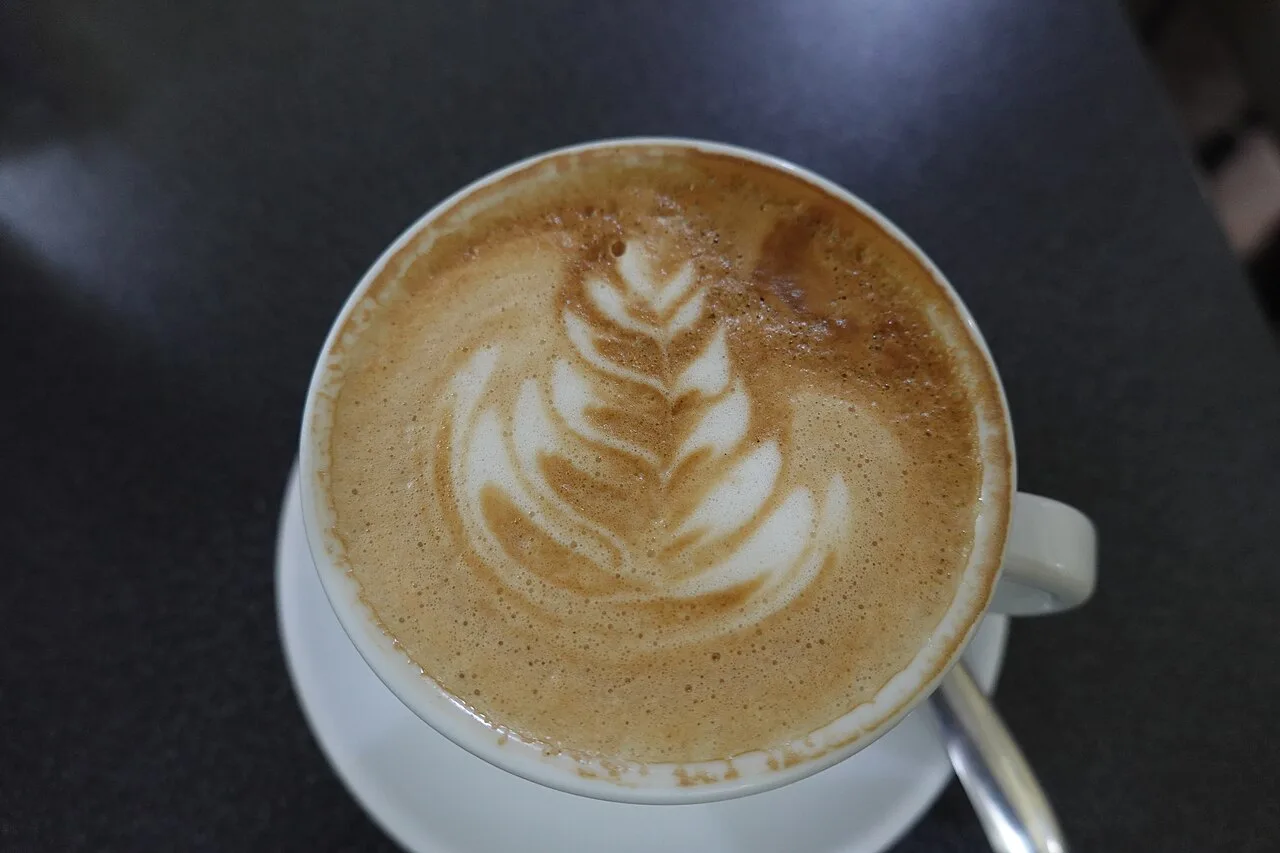
· Cappuccino is mainly a morning drink. There are many exceptions in tourist areas, but in the traditional sense an after-meal cappuccino can look a little unusual.
· Coffee is less a drink you sip slowly with a meal than a short full stop taken after eating.
· Takeaway paper cups have increased, but the heart of the old bar culture is still the porcelain cup and the short moment over the counter.
Caffè Sospeso — A Cup of Naples
Naples has a tradition called caffè sospeso. It is the custom of drinking one cup, paying for two, and leaving the other cup as the share of someone in difficult circumstances. How widely it is actually practiced varies by era and place, but the reason this story is loved over time is clear. In Italy, coffee is not a private stimulant but at times an anonymous act of kindness — a small social ritual.
5. How to Order at the Bar — A Menu Dictionary
| Name | What it is | When to drink it |
|---|---|---|
| Caffè | A basic espresso of around 25–30ml. "Un caffè" is enough. | Any time of day, especially after a meal |
| Ristretto | A concentrated cup pulled short from the same beans with less water | When you want a stronger taste |
| Lungo | An espresso with more water passed through, drawn longer | When you need a slightly longer cup |
| Macchiato | An espresso with a touch of milk foam on top | Relatively natural even in the afternoon |
| Cappuccino | The signature morning drink where espresso, steamed milk, and foam meet | Morning, with a cornetto |
| Caffè corretto | An espresso "corrected" with grappa, sambuca, or the like | After a meal or on a cold day |
| Marocchino | A small cup layered with cocoa, milk foam, and espresso | When you crave a snack-like coffee |
| Caffè shakerato | A cold drink made by shaking espresso, ice, and sugar | A midsummer afternoon |
| Bicerin | A Turin specialty layered with chocolate, coffee, and cream | Worth trying once if you go to Turin |
6. Tradition, and Now
What's interesting is that Italy, the country that made espresso a global drink, can today look like a fairly conservative nation in the specialty coffee movement. More than the recent coffee language that puts light roasting and acidity forward, Italy's everyday coffee has long moved around dark roasting, blends, fast extraction, and a sense of low prices. Standards created by brands like Lavazza and Illy also strongly sustained that everyday taste.
But that conservatism is not mere stubbornness. At the heart of Italian coffee culture lies the sense that coffee should not be a luxury but a short pleasure everyone can drink every day. The one-minute conversation between barista and regular, the milk foam that suits only the morning, the moka pot boiling in the kitchen, the cup left for someone else. What Italy gave the world was not only the drink called espresso but a way of living with coffee together.
References
- La Pavoni official history materials — confirming the Bezzera patent, the Ideale machine, and La Pavoni's early history
- Gaggia official history materials — confirming Achille Gaggia's patent and the crema narrative
- Bialetti official materials — confirming the Moka Express and the history of the Bialetti brand
- A summary of public sources on Angelo Moriondo — confirming the 1884 steam-pressure coffee machine patent
- A summary of public sources on Caffè Florian — confirming the 1720 opening and the context of Venice's historic cafés
Image credits: For Wikimedia Commons images, the author and license are noted in each caption. The three generative images in the text are illustrations to aid understanding and are not actual historical photographs.


댓글 0
첫 댓글을 남겨보세요.