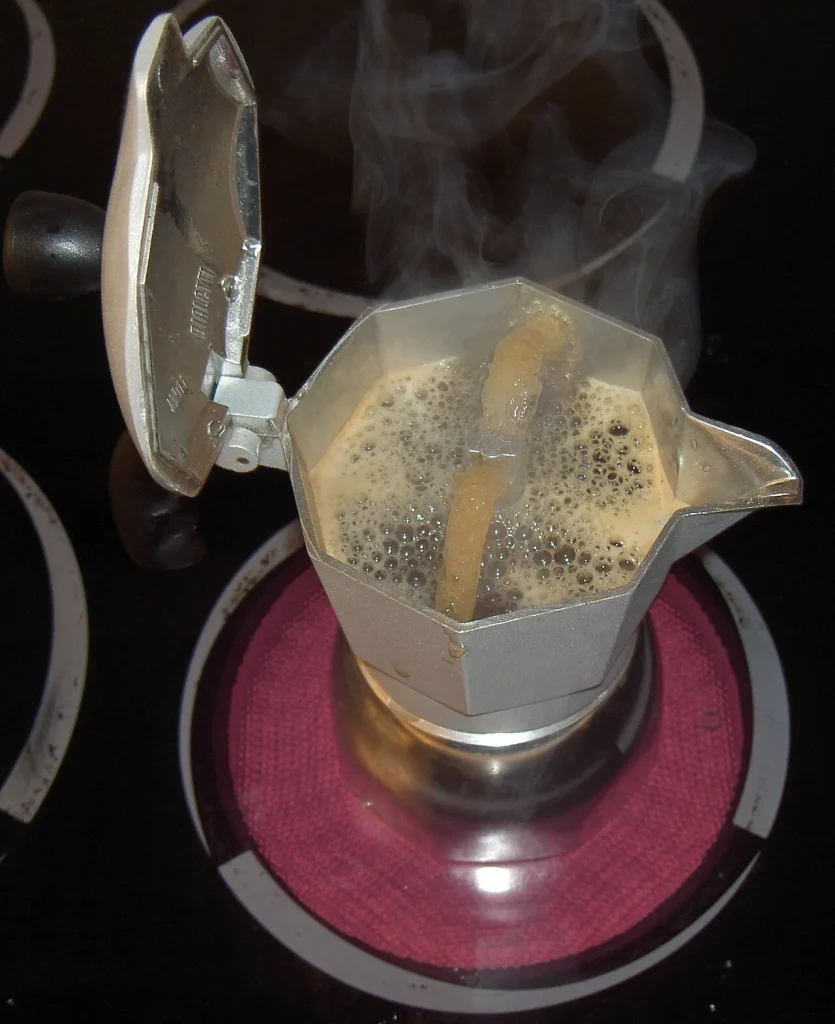
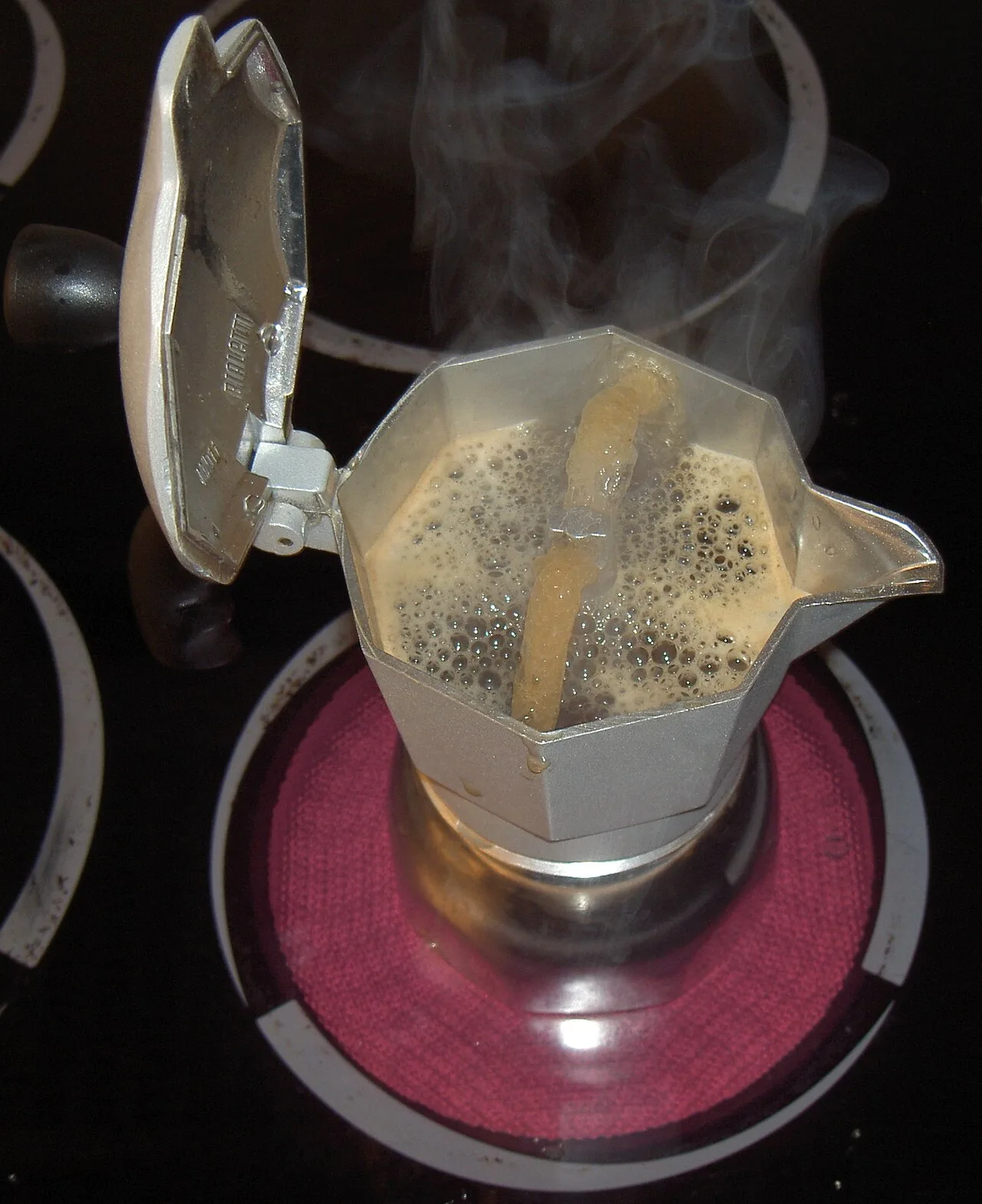
"I bought a moka pot, but what beans should I use to make it taste good?" It's the question that comes up most often in overseas coffee communities and roaster blogs. To cut to the chase, the opinions of overseas reviews converge on one point to a remarkable degree.
Why?The moka pot "picks" its beans
Short, hot pressure extraction amplifies a bean's weaknesses
The moka pot boils the water in its bottom chamber, and the resulting steam pressure pushes hot water up through the ground coffee. Because it brews briefly, at high temperature, and under pressure, the result is far richer than drip and becomes a concentrated cup close to espresso.
The problem is that this method draws out not only a bean's strengths but its weaknesses just as fully. Highly acidic beans come across sharper, and beans prone to bitterness come across rougher. So the basic premise of overseas reviews isn't "any bean tastes about the same," but that you have to choose beans to suit the strengths of a tool like the moka pot.
The moka pot brews hot, high-pressure, and fast. That's why acidity gets excessive and dark roasts easily tip into a burnt taste. Eighty percent of bean selection comes down to "roast level."
Conclusion 1Roast level — medium to medium-dark is the sweet spot
The single criterion overseas reviews most strongly agree on
Nearly every English-speaking roaster and reviewer says the same thing: medium to medium-dark roast suits the moka pot best. The reason connects straight to the characteristics of the extraction method.
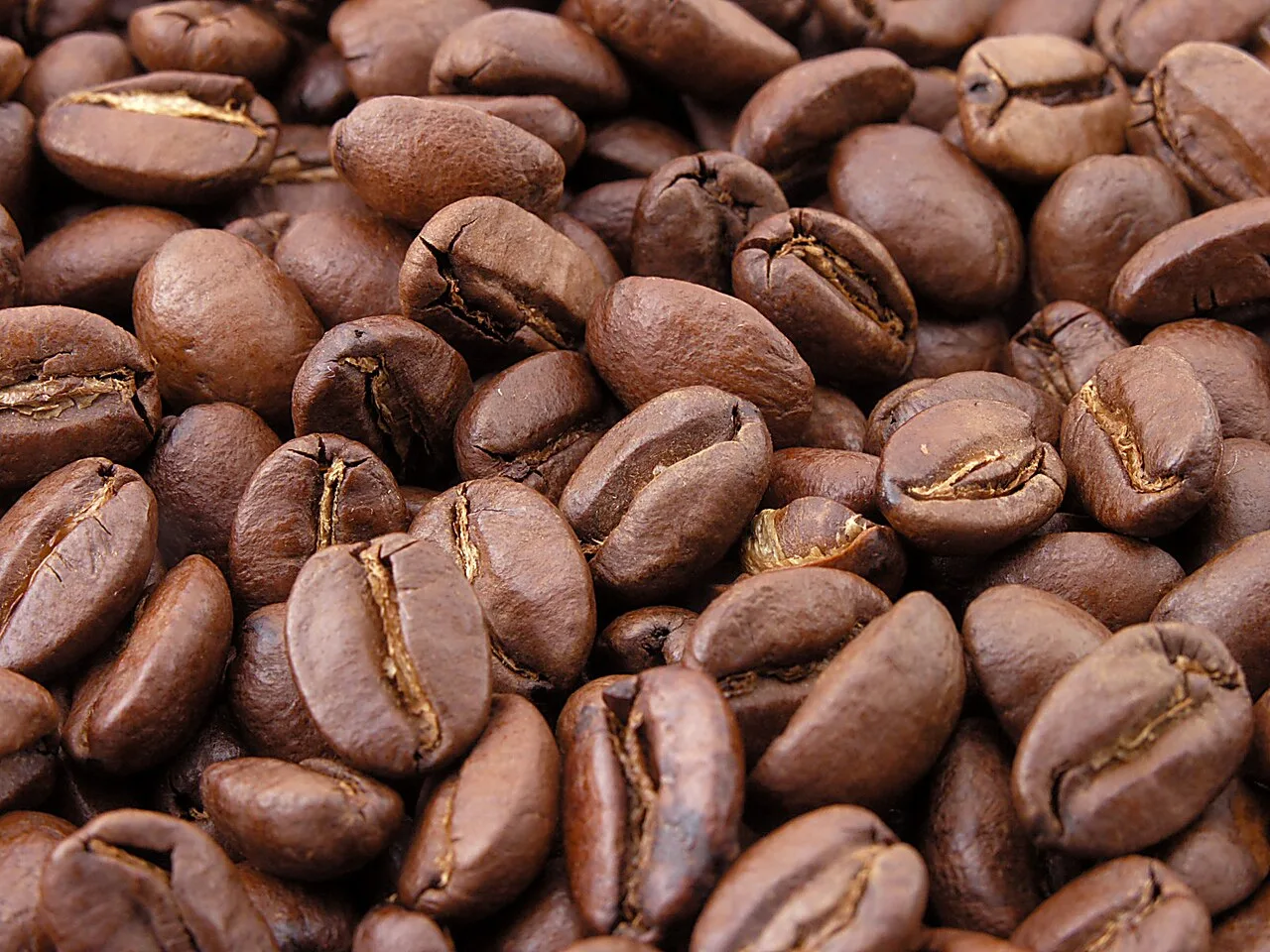
Light roasts retain their acidity, so when they meet the moka pot's high-temperature extraction, sour, sharp notes tend to stand out. It's not impossible, but managing variables like temperature is tricky, and most reviews don't recommend it for beginners.
Conversely, very dark roasts overlap with the moka pot's strong extraction and tend toward over-extraction, giving off excessive burnt and bitter tastes. One British roaster even warns directly that a dark roast can over-extract in a moka pot and lead to bitterness.
The medium to medium-dark range in between is the balance point. It tames the acidity enough while drawing out the chocolate, caramel, and nutty sweetness and a hefty body, filling the moka pot's signature concentrated cup most pleasantly.
| Roast level | Moka pot match | Characteristics / overseas review verdict |
|---|---|---|
| Light | Tricky | Strong acidity and fruit aroma. When it meets high-temperature extraction it easily turns sour and sharp. For the experienced. |
| Medium | Optimal | Balanced sweetness and mild acidity. The most foolproof choice with few failures. |
| Medium-dark | Optimal | Chocolate, nuts, caramel. Hefty body and low acidity for an espresso-like richness. |
| Dark | Conditional | Full-bodied, smoky. But over-extraction easily yields a burnt taste, so managing heat and time matters. |
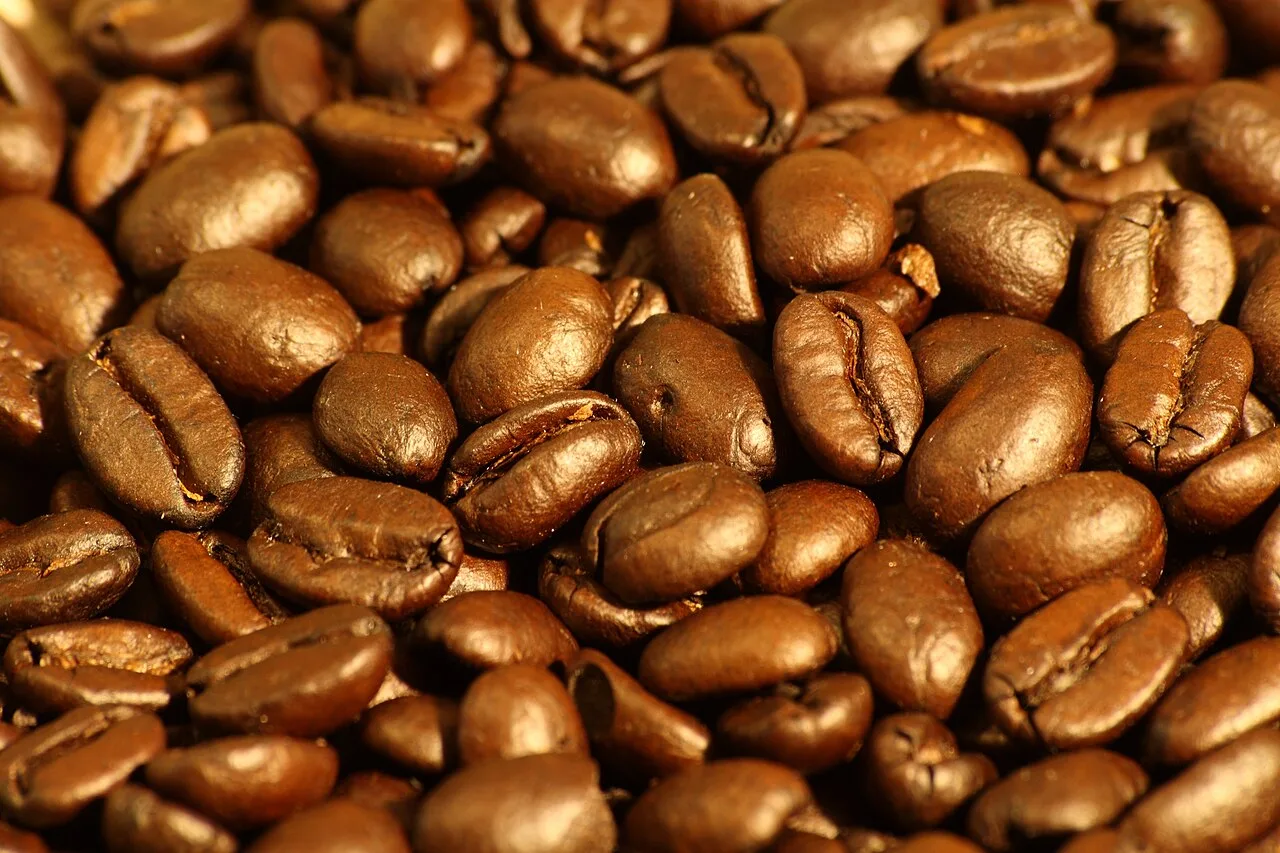
Conclusion 2Origin — chocolate- and nut-leaning ones are the safe bet
Origins low in acidity with a hefty body suit the moka pot well
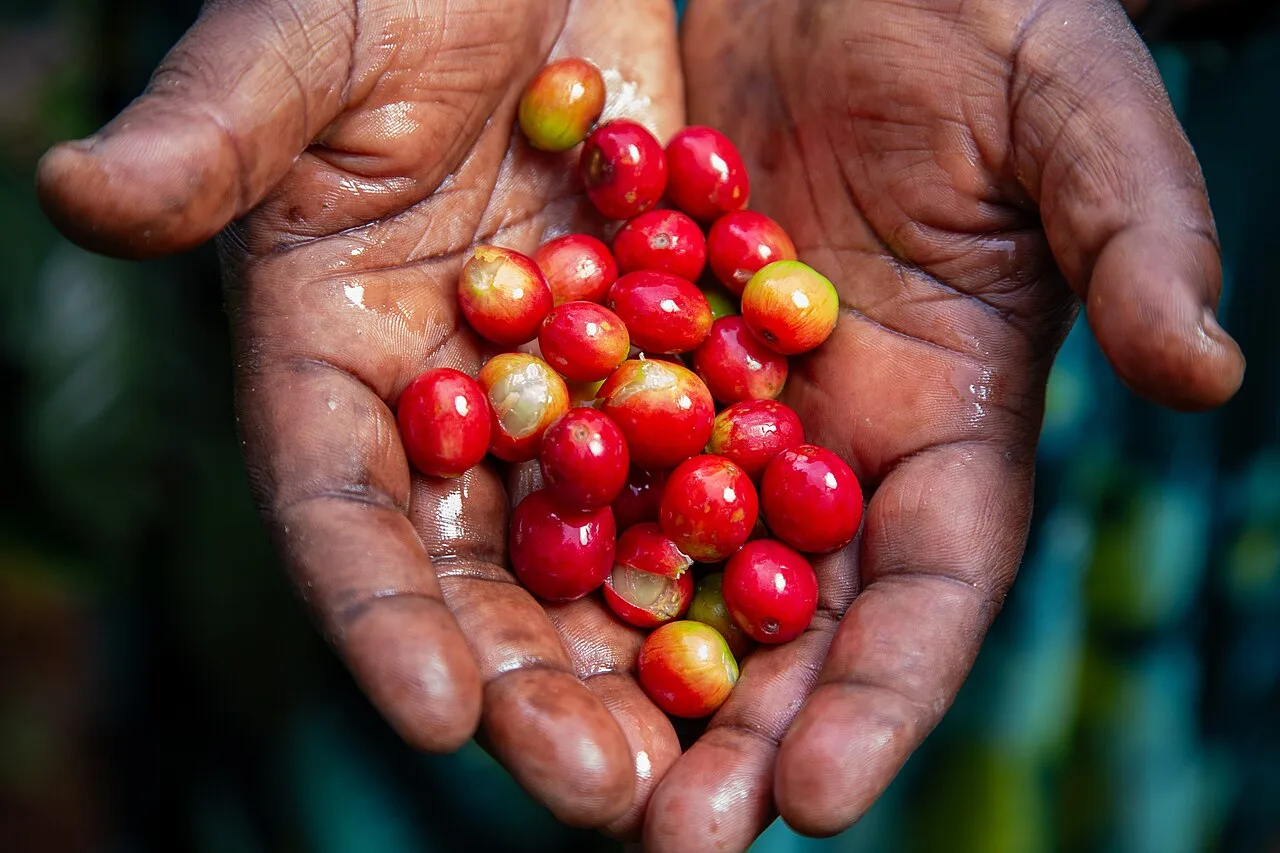
After roast level, the criterion most often mentioned is origin. Since the moka pot amplifies acidity, heavy, sweet styles are safer than origins that are highly acidic to begin with. Organizing the origins repeatedly recommended in overseas reviews gives the following.
| Origin | Flavor profile | In the moka pot |
|---|---|---|
| Brazil | Nutty, chocolatey, savory, low acidity | The most foolproof. Popular as a blend base, too. Top pick for beginners. |
| Indonesia (Sumatra) | Earthy, herbal, dark chocolate, hefty body, very low acidity | A creamy, rich cup. Pairs especially well with dark styles. |
| Colombia | Balanced, sweet, subtle nuttiness | The balanced type. Smooth, clean sweetness. |
| Central/South American blends | Smooth, golden crema | A staple makeup of Italian classic blends. |
| Ethiopia | Floral, berry, bright acidity | Strong character. Recommended only for the experienced who enjoy acidity. |
Conclusion 3Single origin vs. blend — both work, the purpose just differs
Blends for tradition, single origin for character
Blend (Italian classic)
- Mixing several origins gives good balance and consistency
- Golden crema and a stable body
- Low failure rate, suitable for beginners
- Many products designed for moka pot / espresso
Single origin
- Clearly expresses an origin's distinctive character
- Even the same bean is safe if it's a medium roast
- Expressing acidity and fruit aroma requires variable management
- A fun choice for "finding your own taste"
To sum up, the shared advice of overseas reviews is to start with a medium to medium-dark blend if you want a foolproof, rich cup, and with a medium-roast single origin if you want to explore the character of each origin.
In the fieldThe beans the community actually picks most
Names that come up again and again on Reddit and forums
Theory aside, look at the beans people actually use most and Italian classic brands dominate. The moka pot itself was born in Italy, and these brands' blends were designed to suit moka pot extraction.
Lavazza
A staple recommendation of the moka pot community
- Espresso Italiano / Oro: a smooth, balanced medium
- The 100% arabica line is low in acidity and sweet
- Buy small (250 g) and use up within 2 weeks
Illy
A classic of consistent quality
- A stable blend and a smooth body
- A good "reference point" for beginners
Bialetti
The moka pot maker's own blend
- The symbolism of being the same brand as the tool
- There are reports of freshness variation, so check the roast date
Specialty roasters
The choice for taste explorers
- Fresh beans roasted to order
- Recommend a medium single origin (Brazil, Colombia, etc.)
A tip many reviews commonly stress — avoid flavored beans in a moka pot, since the added flavoring burns at high temperature and gives off an artificial bitterness.
Wrap-upGrind size and freshness, as important as the beans
Once you've chosen good beans, these two finish the job
No matter how good the beans, if grind size and freshness are off, the moka pot's taste falls apart. The finishing criteria overseas reviews commonly stress are these.
Grind size
A bit coarser than espresso, finer than drip
- Too fine: over-extraction, bitterness, clogged filter
- Too coarse: weak, watery taste
- "Medium-fine" is the standard
Freshness
A variable as important as bean choice
- Grind just before brewing
- Buy small amounts of beans with a recent roast date
- Soft or filtered water, and wash the pot often
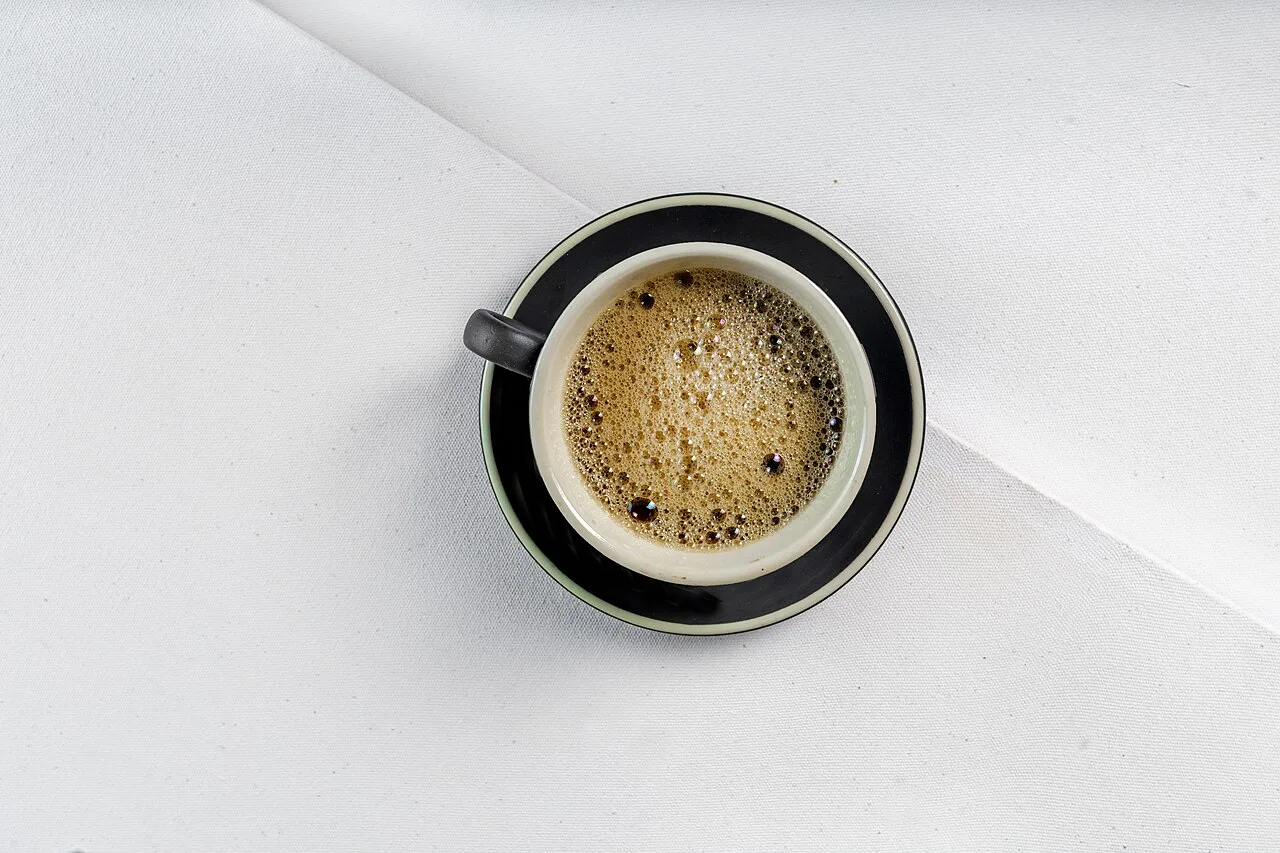
The moka pot bean formula, per overseas reviews
The consensus running across dozens of English-speaking roasters, reviews, and community discussions is surprisingly simple. Roast level decides half of it, origin sets the direction, and grind size and freshness finish it off.
Medium to medium-dark roast · a heavy, low-acidity origin like Brazil/Indonesia · a medium-fine grind · freshly ground and brewed right away — this is the foolproof rule of moka pot beans.
We've organized the 9 beans from this article into detailed tasting notes, right down to the Comandante click counts. Filter by aroma, taste, body, and finish to find the bean for your taste.
☕ See the tasting notes by bean →

댓글 0
첫 댓글을 남겨보세요.